Weapons Review




Introduction
Weapons emerges as a riveting exploration of both literal and metaphorical arms. The film seamlessly blends action-packed sequences with thoughtful introspection, creating a narrative that is as intellectually stimulating as it is visually arresting. As an experienced film enthusiast, I found the film to be a blend of gritty realism and abstract storytelling, which invites the viewer to consider the true nature of power and confrontation. The story unfolds in a fractured society where every character embodies personal conflicts that mirror the larger societal struggles, inviting the audience to watch closely as tensions mount and resolutions are forged in unexpected places.
Plot and Themes
At its core, Weapons is a tale of internal and external battles. The film’s narrative is both ambitious and layered, constantly challenging the viewer to differentiate between the physical manifestations of conflict and the psychological warfare waged long before the first explosive confrontation. The director cleverly manipulates the storyline, interweaving subplots that reveal the characters' personal dilemmas while also commenting on larger political and social dynamics. This duality of narrative – the tangible versus the intangible – offers a rich tapestry for discussion among cinephiles and casual viewers alike.
The film’s approach to its themes is refreshingly unorthodox. It does not merely focus on the application of force, but rather examines the consequences of using power as a means to solve conflict. Characters are depicted in challenging predicaments, where decisions on the use of force are weighed against the moral implications and lasting impacts on their relationships and society. For those who wish to stream the film, every scene offers an invitation to ponder deeper meanings, making it an excellent subject for post-viewing discussions and analysis.
Cinematography and Visual Style
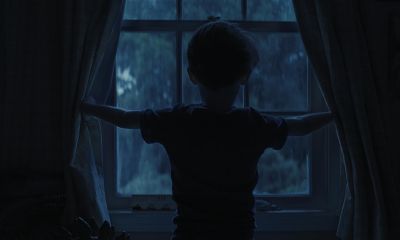
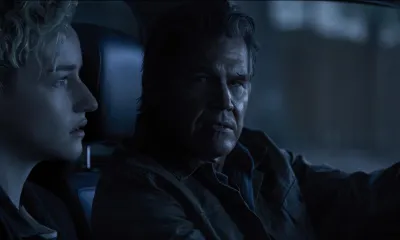
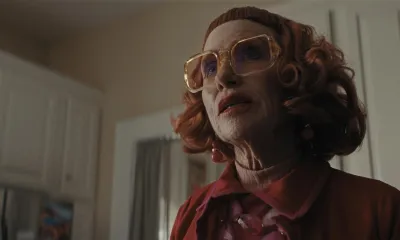
Visually, Weapons is a stunning achievement. The cinematography captures urban decay and natural landscapes with an artistic motion that interlaces harsh lighting with poignant shadows, symbolizing the dualities of the narrative. Each frame is carefully designed to evoke a sense of realism, making the viewer feel as though they are witnessing real events. The camera work is purposeful, often lingering on faces and subtle gestures that speak volumes about the internal conflicts of the characters.
Some scenes appear almost painterly, with an interplay of colors that subtly underscore the emotional state of the scene. For instance, the use of muted blues and grays in moments of heightened tension contrasts sharply with the more vibrant hues of brief moments of hope, illustrating the unpredictability of human nature under extreme pressure. Such visual ingenuity makes Weapons a film that invites you to watch it more than once to catch all the hidden details that enrich the narrative.
Performance and Character Development
The acting in Weapons is commendable and adds significant weight to the film’s narrative depth. Each performance is nuanced; characters are portrayed with a complexity that resists easy categorization. Every actor brings a palpable vulnerability to their roles, making the emotional stakes of the film feel incredibly true and immediate. This authenticity is particularly engaging for viewers who prefer to download thoughtful, character-driven dramas that are filled with moments of unexpected tenderness amidst the chaos.
It is rare to find a movie where every character is so carefully fleshed out, and Weapons achieves this with aplomb. As the plot unfolds and secrets from each character’s past gradually come to light, the audience experiences a rollercoaster of emotions. The dialogues and internal monologues are expertly delivered, resonating with anyone who respects films that reflect on the human condition. By refusing to stick to binary notions of hero versus villain, the film provides an unblocked view into the grey area where morality and survival intertwine.
Direction and Screenplay
The director’s vision for Weapons is both audacious and meticulously crafted. There is a balance between high-octane action and quiet, introspective moments that lends the film an unpredictable rhythm. The pacing keeps the viewers engaged, urging them to stream the complete experience from start to finish without ever feeling lost or overwhelmed. The narrative intricacy is expertly managed, as each sequence builds on the previous one, gradually revealing a story that is as much about personal redemption as it is about broader societal commentary.
The screenplay deserves special mention for its ability to blend realism with abstract thought. Eloquent dialogues frequently step away from conventional tropes and instead challenge the audience with philosophical queries. The narrative structure, in its non-linear presentation, forces the viewer to piece together disparate clues, resulting in a rewarding “aha” moment only when everything clicks into place. This innovative storytelling would make any film enthusiast proud and is a testament to the screenwriter’s dedication to exploring unconventional subject matter without sacrificing clarity or emotional depth.
Soundtrack and Audio Design
In Weapons, the soundtrack plays a pivotal role in amplifying the film’s overall impact. The musical scores, which range from haunting, minimalist pieces to adrenaline-pumping rhythms, are intricately paired with the film’s thematic elements. The audio design is as carefully constructed as the visual elements, with sound being used not simply as an additive to images but as a narrative device in its own right.
Listeners will appreciate the meticulous layering of audio elements, where the background scores enhance the emotional undertones of key scenes without ever becoming intrusive. For example, during sequences of intense internal struggle, the delicate interplay of minor chords underscores the pervasive sense of unease, subtly hinting at the internal battles the characters face. This attention to auditory detail ensures that every moment in the film is as immersive as it is thought-provoking, making it worthwhile for anyone who loves to dive deep into film audio analyses.
Technical Mastery and Production Design
From the artwork of the set designs to the choice of locations, every production element in Weapons has been used to enhance the narrative’s authenticity. The production team demonstrates exceptional skill in creating environments that are both believable and artistically expressive. Whether it is a claustrophobic urban alley or an expansive, desolate landscape, each setting contributes to the development of the film’s thematic undercurrents.
Attention to detail is omnipresent, influencing not only the overall ambiance of the film but also the emotional trajectory of its characters. The choice of props, costumes, and even the subtle weather effects are carefully curated to serve as metaphors for the internal states of the characters. Furthermore, the camera frequently moves seamlessly through these spaces, highlighting the ways in which environment and character are inextricably linked, emphasizing the consequences of the actions depicted on and off the screen.
Pacing and Emotional Impact
Weapons is masterful in its pacing, with a rhythm that steadily builds tension while occasionally offering moments of reflective reprieve. The film intelligently oscillates between periods of frenzied, action-driven sequences and quieter, dialogue-heavy moments that allow for a deeper exploration of character psychology. This deliberate pacing ensures that the emotional impact is never diluted, making each transition both surprising and inevitable.
What stands out most is the way the film balances its fervent pulse with slow-burning moments of character introspection. For those who choose to download and watch the movie, there are several instances that invite a pause—moments designed for thoughtful reflection that underscore the inherent complexities of human nature and conflict. The buildup is gradual and highly rewarding, ensuring that viewers remain emotionally invested throughout the duration of the film.
Cultural and Social Relevance
In today’s evolving cinematic landscape, Weapons resonates on multiple levels. It not only confronts the implications of armed conflicts but also raises questions about the subtler forms of violence prevalent in modern society. The film critiques contemporary issues such as the erosion of trust, the burden of historical legacies, and the constant negotiation between survival and morality.
For a seasoned audience, this film acts as both a mirror and a magnifying glass, reflecting the intricacies of societal dynamics while simultaneously scrutinizing them. The characters, their choices, and the surrounding chaos serve as a microcosm for the broader human condition, offering viewers a chance to re-evaluate their own beliefs about fairness, justice, and the often-blurry line that separates them. It becomes evident that Weapons is far more than a simple action drama—it is a philosophical inquiry into the nature of conflict and the responsibilities that come with power.
Comparisons with Contemporary Cinema
When comparing Weapons with other films in the genre, what truly distinguishes it is the absence of simplistic conflict resolutions. While many contemporaries rely on formulaic explosions and predictable plot twists, Weapons opts for a refreshingly complex narrative that both challenges and rewards its audience. The film does not follow the typical blueprint of explosive confrontations solely for the sake of spectacle, but rather integrates these moments into a broader context that questions their very necessity.
For those who enjoy a layered experience, the film invites viewers to watch and stream different interpretations of its narrative. It successively engages both the mind and the heart, making it an essential watch for cinephiles who demand more than just visually impressive action. Every scene is designed to provoke thought, ensuring that the film remains challenging yet accessible—a rare feat in modern film production.
Final Thoughts and Reflections
Concluding this review, Weapons stands out as an exemplary film that skillfully merges action with profound narrative depth. It is a film that requires attention; every frame is imbued with meaning, challenging the audience to consider not just the visible action, but the invisible forces that propel human existence. It is an invitation to reflect on the very nature of conflict and the ways in which power is wielded in both overt and covert manners. For anyone interested in films that provide more than just surface-level thrills, Weapons is undoubtedly a film to watch, stream, and even download for repeated viewings.
A true testament to filmmaking at its best, Weapons encourages a dialogue between the audience and the narrative, transcending the traditional boundaries of the genre. Its exploration of themes that resonate with today’s global issues makes it a compelling piece of art, one that is likely to be discussed in film circles for years to come. Whether you are drawn by its intriguing storyline, magnetic cinematography, or thought-provoking themes, the film ensures that each viewing reveals new layers of complexity and beauty.
The film’s balance of high-stakes drama with introspective moments also highlights its suitability for diverse audiences, while subtly urging viewers to explore additional layers of meaning. For those looking for an experience beyond the ordinary—where every viewing provides fresh insights into its intricate narrative structure—Weapons offers a compelling proposition. It serves as a reminder that the most memorable films are those which force us to reconsider our definitions of strength, vulnerability, and the legacies of our actions.
In summary, Weapons is a modern cinematic tour de force that seamlessly merges action with intellect. From its cliff-hanging sequences to its quietly intense interpersonal dramas, the film tells a story that is as relevant in the modern cultural context as it is timeless in its appeal. Its artistic ambitions, technical proficiency, and deep empathy towards its characters make it a landmark film that deserves its place among the finest works of contemporary cinema.
How to watch Weapons online
Weapons is currently available to watch on several major streaming platforms. It can be streamed on Netflix, and there may be trial options available for new users interested in exploring the film’s captivating narrative. For those who prefer to rent or purchase their movies, Amazon Prime Video offers both options along with offline access for later download. Apple TV also provides the film for rent or purchase, providing high-quality playback and download options to suit your viewing preferences.
On Peacock, Weapons is accessible through both free and premium subscriptions, though download conditions may vary. Hulu also features the film, typically with a trial period and specific download limitations based on subscription plans. Additionally, YouTube (Movies) offers the film for rent or purchase, coupling these options with download capabilities via its dedicated app. Please note that the age rating for Weapons in the United States is PG-13, meaning it is not recommended for children under 13 without parental guidance.
Pros
- Visually stunning cinematography that captures both urban decay and natural landscapes
- Intricate narrative that blends physical and psychological conflict
- Complex character development with nuanced performances
- Thought-provoking themes that question the nature of power and morality
- Engaging soundtrack that enhances emotional depth
- Balanced pacing that interweaves high-octane action with introspective moments
Cons
- Occasionally slow pacing in reflective segments may not appeal to all viewers
- Complex narrative structure can be confusing for some audiences
- Some abstract and symbolic scenes might feel overly ambiguous
Screenshots