Frankenstein Review

Introduction
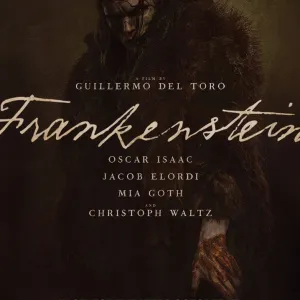
Frankenstein is a film that continues to captivate audiences nearly a century after its initial appearance on the silver screen. As a long-time film enthusiast, I have witnessed how different adaptations of Mary Shelley’s timeless narrative have evolved over the decades, and this rendition stands as a testament to the perpetual allure of gothic horror and dramatic storytelling. The movie is an intricate tapestry of classic horror, moral dilemmas, and artistic innovation that begs for multiple viewings to fully appreciate its subtle nuances and unapologetically atmospheric moments. In an era when we can conveniently watch, stream, or download films via numerous platforms, Frankenstein remains one of those timeless pieces that is both a relic of the past and a constantly reinvented gem in contemporary cinema.
Plot and Thematic Depth
At the heart of Frankenstein lies the story of relentless scientific ambition and the heartbreaking consequences that unfurl when man dares to play god. The narrative follows the journey of a brilliant yet misguided scientist who seeks to reshape the boundaries of life, resulting in an abomination that both repulses and evokes sympathy from its creator. Unlike many modern adaptations that attempt to simply shock with gore, this movie embraces a thoughtful and introspective lens to dissect themes such as isolation, the ethics of creation, and the inherent struggle for acceptance in a world that is not always kind to those who are different. The film’s exploration of these deep moral quandaries is intertwined with a continuous juxtaposition of beauty and horror, inviting viewers to ponder the consequences of unchecked ambition and the delicate balance between ambition and responsibility.
From the very beginning, the film establishes a mood that is eerie and contemplative. The protagonist’s inner turmoil, paired with a mounting sense of dread, creates a narrative environment where one can easily be drawn into the complexities of both the human condition and the metaphoric representation of creation gone awry. Directors have long wrestled with how best to convey both the beauty and terror of such a narrative, and this adaptation manages to strike a balance that is at once intellectually stimulating and visually arresting.
Visual and Audio Aesthetics
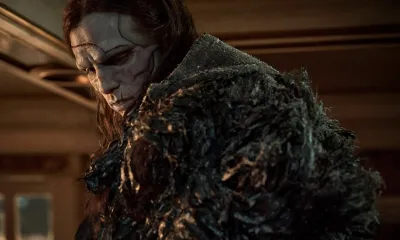
The aesthetic execution of Frankenstein is nothing short of extraordinary. Every frame of the film has been meticulously crafted to evoke a sense of dread while simultaneously offering a glimpse into the soul of its characters. The cinematography takes full advantage of shadow and light, drawing viewers into a rich tapestry that oscillates between stark contrasts and lingering quiet. Remarkably, the artful use of chiaroscuro complements the emotional journey of the characters, illuminating the descent from hope to despair, and ultimately, a grim self-awareness that lies beneath the veneer of scientific progress.
Complementing the visual splendor is a hauntingly beautiful musical score that intensifies the overall experience. The sound design is both minimalistic and powerfully evocative, seamlessly guiding the audience through the emotional peaks and valleys that define the film. Intricate soundscapes work in tandem with the director’s vision, crafting sequences that are not just watched, but felt deeply. It is a cinematic experience where every note, every shadow, and every whisper in the dark tells its own story.
Character Development and Performances
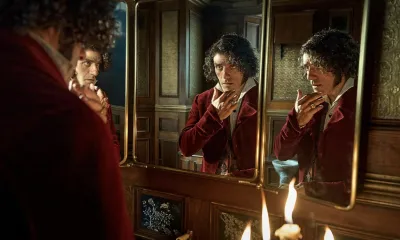
The cast of Frankenstein delivers performances that are rich in both depth and nuance. The scientist at the center of the narrative is portrayed with an intensity that immediately immerses the viewer into his internal struggle. His conflicted emotions, ranging from fervent ambition to gut-wrenching regret, are rendered with a subtle yet unmistakable realism that only the most experienced actors can evoke. The delicate balance between sympathy and horror in his character is further enhanced by his interactions with other figures in the story, particularly those who serve as mirrors to his own inner conflict.
The creature, a figure burdened with the weight of societal rejection and existential loneliness, is portrayed with equal sensitivity and complexity. Rather than resorting to stereotypical tropes of monsterhood, the film invests deeply in exploring the emotional landscape of its creation. The creature’s struggle for acceptance and the continuous search for identity are portrayed as both tragic and deeply human, offering a refreshing and thought-provoking take on an iconic character. The authenticity of these performances is a tribute to the skilled direction, ensuring that every emotion is palpable, every silence loaded with meaning.
In many ways, the characters in Frankenstein are emblematic of the broader human experience—striving, erring, and ultimately seeking redemption. Their journeys are a reminder that even in the realm of the macabre and the fantastical, the themes of love, loss, and self-discovery remain profoundly universal.
Direction and Cinematic Craftsmanship
The direction in Frankenstein is one of its most commendable aspects. The creative vision behind the movie is evident not only in its engaging narrative structure but also in the way it manages to maintain suspense and intrigue throughout its lengthy runtime. The film’s deliberate pacing allows viewers ample time to reflect on pivotal moments, ensuring that each sequence, however brief, echoes long after the credits roll. The director’s ability to capture both minute expressions of despair and grandiose acts of creation is a tribute to his unwavering commitment to the art of storytelling.
Moreover, the integration of modern cinematic techniques with traditional storytelling elements gives the film a timeless quality. Contemporary audiences, who are accustomed to the instantaneous gratification of digitally streamed content, will find themselves pleasantly surprised by how the movie compels one to pause and think. Whether watching it as an immersive film experience or choosing to stream it at home, viewers can appreciate the layers of meaning embedded in each carefully constructed scene. This film serves as a reminder that even in a world overflowing with high-speed downloads and unblocked online platforms, there remains an undying respect for the painstaking craft of cinema.
Historical Context and Relevance
Frankenstein’s historical significance cannot be understated. It has often been a mirror reflecting society’s greatest fears about scientific progress and the unforeseen consequences of tampering with nature. In today’s rapidly evolving technological landscape, the warnings embedded within this story are more pertinent than ever. The film does not merely serve to entertain but stands as a cautionary tale, questioning the balance between innovation and morality. From the perspectives of both art and ethics, Frankenstein continues to offer a valuable commentary on human nature, making it an essential viewing experience.
While the story is set against a backdrop that appears centuries old, modern interpretations have skillfully updated its thematic concerns without sacrificing the original’s core message. The enduring fascination with Frankenstein is a testament to the resilience of its narrative, which, over time, has grown richer and more layered. The film invites us to reflect on our own era of scientific breakthroughs, urging us to learn from the past while cautiously embracing the future.
The Intersection of Science and Art
One of the film’s most compelling dimensions is its exploration of the intricacies at the intersection of science and art. Frankenstein challenges the notion that scientific progress is inherently detached from the human experience. It dives into the ethical dilemmas and unforeseen repercussions that emerge when human ambition interlaces with the transcendental beauty of creation.
The filmmakers have managed to present a dual narrative: one that scrutinizes the scientific endeavor through a critical lens, and another that celebrates the artistic expression borne out of deep internal conflict and societal alienation. As viewers, we are compelled to not only witness the unfolding of a dramatic cautionary tale but also to engage in a silent dialogue about where the limits of human creativity should lie. The movie’s profound inquiry into these themes enriches it with a narrative heft that lingers in the mind long after the final scene has played out.
Audience Engagement and Cultural Impact
The impact of Frankenstein on contemporary culture is indelible. Its vibrant blend of horror, drama, and existential musings resonates across audiences of various ages and backgrounds. The film's narrative transcends the boundaries of traditional horror, instead offering a nuanced exploration of modern anxieties surrounding technological advancements and societal evolution. This duality is particularly striking in an age where we have the luxury to watch, stream, or download movies with unprecedented ease—bringing timeless classics and contemporary masterpieces right to our fingertips.
The film has sparked discussions among scholars, cinephiles, and casual viewers alike. In academic circles, it is frequently examined not merely as a work of fiction but as an artifact that encapsulates the dawning of modern scientific inquiry and the human predisposition to fear the unknown. Its cultural significance is further underscored by the manner in which it has influenced subsequent horror films, inspiring directors and writers to challenge the boundaries of conventional storytelling.
For the modern film enthusiast, Frankenstein serves as a bridge between past and present, a cinematic relic that continues to captivate audiences in a digital age marked by rapid changes in how we access and experience film. Whether you choose to watch it online through unblocked platforms or seek out a version to download for a quiet night at home, the movie has proven its resilience and adaptability in a rapidly evolving media landscape.
Technical Aspects and Production Quality
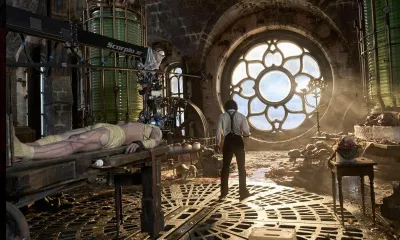
The production quality of Frankenstein is enthralling—from its meticulously designed sets to its impressive use of special effects that pay homage to classic horror while pushing the envelope of modern visual storytelling. The attention to detail is particularly noteworthy in the way the film recreates an atmosphere that is both intimate and expansive; it invites the audience to step into a world where every creaking door and every lingering shadow contributes to an overwhelming sense of foreboding.
Technical mastery is evident in every aspect of the film’s production. The seamless editing, coupled with a well-orchestrated sound design, ensures that the movie not only tells a story but does so in a manner that is rhythmically engaging and emotionally vibrant. Each scene is crafted with precision, reinforcing the film’s overarching themes of isolation, artistry, and the ethical boundaries of creation.
From a technical standpoint, the film’s use of modern digital effects coexists harmoniously alongside traditional techniques, creating a unique visual lexicon that is rarely seen in contemporary adaptations of classic literature. This fusion of old and new is a subtle reminder that while the means of delivery—whether to watch on a smart TV or to stream via online platforms—may have evolved, the intrinsic power of a compelling narrative remains unchanged.
Conclusion
Frankenstein is more than just a film—it is a philosophical inquiry into the nature of human aspiration and the ethical foundations upon which society is built. Its masterful blend of gothic horror, intellectual inquiry, and breathtaking visual artistry positions it as an essential piece of cinematic history. As you digest its layers of meaning and appreciate the nuances in the performances, you are reminded of the ever-relevant question about the limits of human ingenuity and the cost of defying natural order.
For those who choose to watch or stream Frankenstein, the experience is a multifaceted journey that beckons one to embrace both the beauty and the tragedy that come hand in hand with ambition. In our current age, where accessing films online is as simple as a few clicks—and where cinematic treasures can be streamed, downloaded, or enjoyed from unblocked platforms—the film stands as a testament to the enduring appeal of stories that provoke introspection and inspire discussion.
As an aficionado of film and connoisseur of narrative artistry, I found Frankenstein to be an exhilarating reminder of why classic cinema continues to inspire and challenge us. Its thoughtful interplay of terror and tenderness, ambition and regret, resonates with contemporary audiences, offering a timeless reflection on the dual nature of human creativity. Whether you prefer to watch it as a daring experiment in artistic storytelling or as a portal to a bygone era of cinematic innovation, Frankenstein is a film that continues to earn its place among the luminaries of horror and drama.
How to watch Frankenstein online
Frankenstein is currently available on various major platforms. Netflix offers a subscription-based stream with the option to download episodes for offline viewing, while Amazon Prime Video provides options to rent or purchase the movie with its trial membership available. Apple TV also offers reliable purchase and rent options, and the quality of streaming is excellent with download availability. Peacock hosts the film with both free and premium tiers, though download options may be limited depending on your subscription. For viewers with a Hulu subscription, Frankenstein can be streamed directly with trial options available, albeit with some download limitations. Lastly, YouTube Movies offers rent or buy options, allowing download through its app. The film holds a PG-13 age rating in the US, ensuring that while it has mature themes, it remains accessible to a broad audience.
Pros
- Captivating storytelling that blends gothic horror with philosophical inquiry.
- Visually arresting cinematography that expertly uses shadow and light.
- Deep character development that brings emotional nuance to both creator and creation.
- A haunting musical score and sound design that intensify the cinematic experience.
- Thoughtful exploration of complex moral dilemmas and the ethics of creation.
- Seamless integration of classic and modern cinematic techniques that appeals to diverse audiences.
Cons
- Pacing may seem slow for viewers accustomed to fast-paced narratives.
- Some special effects might appear dated when compared to contemporary high-budget films.
- The complexity of themes may require multiple viewings for full comprehension.
Screenshots