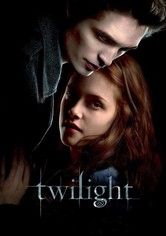
Twilight Review


From the moment I first sat down to watch Twilight, I knew I was about to revisit a film that has etched its place in modern pop culture. Unlike many adaptations that fall flat, Twilight captures the bittersweet tension between the mundane and the mystical, inviting viewers into a world where love and darkness intertwine in a beautifully hypnotic dance. As an experienced film enthusiast with a penchant for dissecting layered narratives, I find that Twilight offers a medley of emotions and cinematic techniques that encourage both nostalgia and critical debate.
The Enigma of a Childhood Classic
Twilight is not simply a story about forbidden love between a human and a vampire; it is a rich tapestry woven with threads of longing, destiny, and the perpetual struggle for self-discovery. The film crafts an atmosphere that is as alluring as it is enigmatic. Every frame invites the audience to explore a universe laden with atmospheric moody lighting, soft shadows, and a slow, resonating pace that mirrors the hesitant heartbeat of its protagonist. In this way, Twilight does far more than merely entertain—it seduces the audience into reflecting on the often-complicated nature of adolescence and desire.
From the opening scenes dominated by sweeping landscape shots and an introspective score, it becomes clear that this is a film meant not just to be watched, but experienced. The cinematography builds an otherworldly feeling, turning each scene into a delicate interplay of natural beauty and supernatural allure. As you settle down to stream or download this film, a sense of anticipation stirs—each moment meticulously constructed to whisper secrets of hidden worlds and undiscovered passions.
Cinematic Craftsmanship and Artistic Vision
Twilight provides a distinctive reminder that genre films can present deeper narratives when they venture beyond mere surface elements. The director’s choice to emphasize quiet, lingering moments instead of high-octane action sequences may seem initially deliberate and slow-paced, but for those willing to engage with the subtleties, it is a rewarding journey. The interplay between light and shadow not only enhances the mysterious aura but also lays bare the inner conflicts of the characters, inviting viewers to contemplate the balance between destiny and free will.
The artistic vision behind Twilight is evident in its balanced use of dialogue and silence. There is a certain poetry embedded in its pauses—the unsaid words, the furtive glances, and the compelling pauses that speak louder than any scripted dialogue. This reflective pacing allows viewers to not only appreciate the narrative at face value but also to delve into underlying themes, such as the inevitability of change, the dichotomy of passion versus caution, and the blurred line between love and danger.
Characters and Their Evolution
A key aspect of Twilight's enduring appeal lies in its well-drawn characters and their palpable emotional journeys. Bella, with her inner conflicts and vulnerabilities, is portrayed as an everywoman who finds herself caught in forces much larger than life. Her evolution is at the heart of the film—a transformation from uncertainty to a daring acceptance of the unknown. This metamorphosis is captured with an intensity that draws you in, urging you to contemplate the transformative power of love and risk.
Edward, on the other hand, exudes an almost eternal melancholy—a burden of immortality tempered by an overwhelming sense of protectiveness and regret. His character is layered, embodying both the allure of forbidden power and the painful reminder of a lonely eternity. The chemistry between Bella and Edward is palpable and multifaceted, built upon a foundation of mutual respect and the constant tension of potential peril. Their interaction teeters on a delicate balance, which makes every fleeting moment charged with danger and desire.
A Deliberate Pace and Reflective Tone
The pacing of Twilight is deliberate, allowing the narrative to breathe. There is a profound sense of immersion that comes from the film’s measured rhythm, where every glance, every moment of silence, and every backdrop of nature fans the flames of hidden stories waiting to be told. Unlike many fast-paced modern thrillers, Twilight invites its audience to settle into a meditative state of reflection. Instead of bombarding us with rapid-fire dialogue, it encourages us to sit back and let the ambiance seep into our senses. This aligns the viewing experience with the subtleties of life itself, where every pause may hide a story or a secret yearning.
This very slow yet deliberate pacing has its detractors. Some viewers might find it lacking in the adrenaline rush associated with action-packed adventures. However, as a film enthusiast, I acknowledge that the film's understated narrative is a conscious choice—a call to perceive the quiet beauty of soft moments that are often lost amidst louder spectacles. The reflections on love, fate, and the interplay of mortal and immortal realms make Twilight an introspective exploration rather than merely a conventional romance.
The Impact of Soundtrack and Musical Score
The musical score in Twilight deserves its own standing ovation. Every note, every swell of the orchestra and whispered string, stitches the narrative together in an emotionally charged montage. It is a masterful blend of melody that accentuates the theme of longing and the sense of an impending change. The soundtrack becomes an almost unspoken narrator in its own right—a reminder of the internal conflicts and the emotional highs and lows of the characters.
This attachment to sound is particularly effective in scenes where words fall short of expressing the hidden layers of meaning. It is during these moments that you are most tempted to find solace in the music, allowing it to guide your emotions and perceptions. As a film reviewer, I find that this level of musical interplay is what elevates Twilight to a realm of films that require more than a casual viewing—it demands contemplation and emotional investment.
Bridging the Gap Between Genres
One of the boldest achievements of Twilight is how it navigates the sometimes-treacherous boundary between genres. At its core, the film is a love story, yet it transcends the conventional confines of romance by incorporating elements of fantasy, suspense, and drama. This hybridization defies tidy categorization, making it accessible to a diverse audience seeking more than a formulaic narrative.
When you choose to stream or download Twilight, you are not just engaging with a piece of entertainment but also with a text rich in symbolic meaning and genre-blending techniques. The film’s ability to maintain a compelling narrative while exploring the metaphysical questions associated with eternal love and loss is noteworthy. Twilight serves as a bridge linking the familiar conventions of young adult romance with the allure of the paranormal, thus inviting viewers to explore the interplay between the natural and the supernatural.
The Cultural Phenomenon and Audience Reception
Twilight, upon its release, quickly evolved into a cultural phenomenon. Its unique blend of romance and mystery has sparked impassioned debates, fervent fan followings, and a lasting legacy in the halls of cinematic history. The film's influence is evident in how it has shaped public perception of vampire lore, turning mythic creatures into symbols of eternal struggle and forbidden desire. As someone who has navigated the evolving landscape of film criticism for years, I see Twilight as both a product and a progenitor of its era—a cultural artifact that influenced not just the genre but also the presentation of romance on screen.
The audience reception of Twilight is as divided as it is passionate. While certain viewers champion its understated elegance and layered storytelling, others criticize what they perceive to be a plodding pace and a reliance on sentimentality. Yet, such divided opinions only serve to highlight the film's depth; it is precisely these points of contention that spark rejuvenated discussions every time the film is available to watch. The dialogue that surrounds Twilight in online forums and among film enthusiasts is a testament to its enduring intrigue and ability to provoke introspection long after the credits roll.
Visual and Emotional Expression
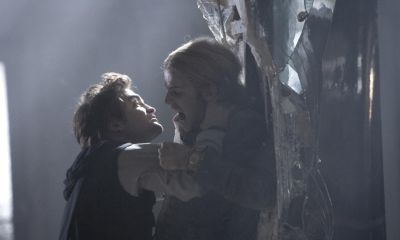
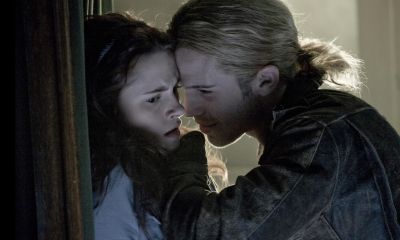
The strength of Twilight lies in its ability to evoke a profound emotional response through its visual narrative. Every setting within the film—the misty forests, quiet small town streets, and intimate indoor spaces—acts as a reflection of the internal landscapes of its characters. The muted color palette and soft-hued lighting play hand in hand with the narrative, underscoring the isolation, longing, and ambiguous duality of the human condition. Each frame is meticulously crafted to resonate with those inner sentiments that are too profound for dialogue.
This emphasis on visual storytelling is at once a technical triumph and an artistic revelation. As viewers choose to watch or even download Twilight for repeated viewings, they are invited to explore the subtle details that might otherwise pass unnoticed. The film’s reliance on visual metaphor—a flicker of light in an otherwise dim scene or the reflective quality of a window pane—further enriches the narrative and broadens its appeal beyond the confines of typical genre films.
An Invitation to Reflect and Revisit
Ultimately, Twilight is an invitation to embrace complexity in a world that often values simplicity over subtlety. Its layered storytelling, nuanced character portrayals, and deliberate pacing work together to create a film that is as reflective as it is entertaining. Whether you choose to watch it on a lazy afternoon or stream it during a quiet night, Twilight unfolds as a contemplative journey—a narrative that grows richer with each viewing, allowing new interpretations and revelations to emerge.
For those who enjoy the opportunity to pause and ponder, Twilight offers more than just a temporary escape from everyday concerns; it supplies a space to explore and re-examine one’s own perceptions of love, danger, and destiny. The film is also an enduring example of how cinema can reflect the intricacies of human emotion and experience. Every time you revisit this film—whether by watching, streaming, or downloading—the world of Twilight reveals additional layers of meaning, much like revisiting a favorite book that unveils a new secret with every read.
It is also noteworthy that in today’s digital age, where many of us turn to online resources to enjoy our favorite films, Twilight continues to find new life on various platforms. Whether it is being streamed on widely known services or accessed through unblocked channels for those who enjoy free viewing options, the film remains widely accessible. This widespread availability ensures that its legacy as an essential part of modern folklore endures, constantly available to new generations seeking a glimpse into its mesmerizing world.
The Final Verdict
In conclusion, Twilight stands as a multifaceted piece of cinema that defies easy categorization. It is an exploration of the inner workings of the heart and mind, a story that celebrates the beauty of the human experience through the prism of the supernatural. With its deliberate pacing, visually arresting scenes, and carefully crafted soundscape, the film transcends a mere love story; it is an enduring work of art that invites its audience to reflect, question, and ultimately find solace in its poetic ambiance.
As a seasoned film reviewer, I recommend Twilight not only for its entertainment value but also for its capacity to inspire introspection about life's inherent complexities. Its layered narrative and timeless themes continue to resonate with audiences worldwide. Whether you are looking to stream, download, or watch it on various online unblocked platforms, Twilight remains a cinematic experience that is accessible across different devices and regions. Its age rating of PG-13 is a gateway for mature reflection, making it both a family discussion piece and a deeper philosophical inquiry into the nature of love, sacrifice, and the human condition.
How to watch Twilight online
Currently, Twilight is widely accessible online. Many major streaming platforms offer the opportunity to stream or download the film. While some services provide free access with ads, others may require a subscription or a rental/purchase fee. For instance, Netflix typically includes Twilight in its library for subscribers, often with trial options followed by offline download capabilities. Amazon Prime Video allows you to rent or purchase the film, with offline viewing available on its app. Apple TV provides purchase or rental options at high quality along with download functionality. Peacock offers both free and premium versions, though download options might be limited on the free tier. Hulu features Twilight within its subscription service, albeit with restrictions on downloads. Lastly, YouTube Movies allows you to rent or buy the film, with download options available through its app. Note that Twilight carries a PG-13 age rating (US), which means it is not recommended for children under 13 without parental guidance.
Pros
- Atmospheric cinematography that immerses viewers in a mystical world.
- Balanced use of music and soundscape enhances the film's emotional depth.
- Well-drawn characters with layered emotional journeys increase audience engagement.
- Genre-blending that combines romance, fantasy, and suspense offers a unique viewing experience.
- Cultural impact and legacy contribute to its status as an iconic film.
- Deliberate pacing invites introspection and allows viewers to savor subtle narrative details.
Cons
- The slow pacing may not appeal to viewers seeking fast-paced action.
- Some dialogue can feel overly sentimental or clichéd.
- Supporting characters may lack sufficient development compared to the leads.
Screenshots