The Fall of El Mayo Review






On July 25, 2024, a private plane touched down at a small airport in New Mexico. On board were two men from the top of the Sinaloa Cartel: Ismael "El Mayo" Zambada García, one of its founders, and Joaquín Guzmán López, a son of El Chapo. Both were taken into U.S. custody. For a man who had stayed free for roughly half a century, it was a stunning end.
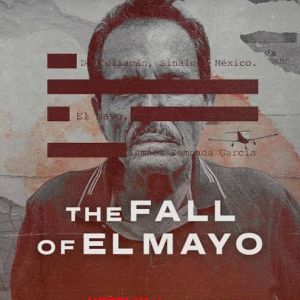
Netflix's three-part documentary The Fall of El Mayo, titled La Caída de El Mayo in Spanish, arrived on October 29, 2026. It's built around one question that still hasn't been settled. This guide walks through the theories the series explores, how it gathers its evidence and what reviewers made of it.
Theory one: a kidnapping
The most dramatic version comes from Zambada himself. According to Primetimer, he later claimed that Guzmán López kidnapped him and forced him onto the plane.
If true, it would mean the son of his longtime partner turned on him and handed him to American authorities. That possibility drives much of the series' tension, and it explains why the final episode is simply titled "Betrayal."
Theory two: a betrayal from within
A related idea is that the arrest grew out of tension inside the cartel itself. Rotten Tomatoes' episode guide describes "an unforgivable betrayal" that "pits his sons against El Chapo's in a schism."
The directors leaned into this reading in Netflix's press notes, describing "an aging leader who managed to evade all his adversaries for half a century" and was brought down by those closest to him.
Theory three: a quiet arrangement
The third possibility is a secret deal with U.S. authorities. Primetimer notes that officials in Mexico and the U.S. gave conflicting accounts of what Washington knew in advance.
Netflix's own synopsis puts all three side by side: "Was it a kidnapping, a betrayal, or a covert operation?" The series doesn't choose one. As Primetimer observed, it presents the options "instead of presenting one explanation as the established truth."
That's an honest choice, though viewers who want a firm conclusion may find it frustrating.
Building a case without a voice
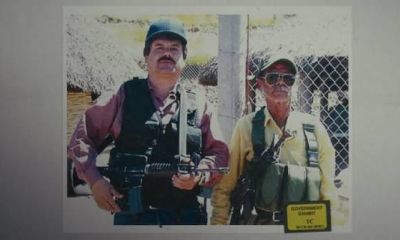
El Mayo was famously hard to document. The directors said that before his arrest, "there were only a few photos of El Mayo and not a single recording of his voice." That's remarkable for someone who sat at the top of one of the world's largest criminal organizations.
To work around it, the filmmakers went through hundreds of court records from both countries, according to Netflix. They paired those documents with archival footage and testimony.
One rare primary source is an old interview El Mayo gave to the Mexican magazine Proceso. Decider reports that a journalist reads from it in the series, giving viewers a brief sense of the man in his own words.
The witnesses
The interviews span the border. Netflix's press notes list security agents and politicians, along with journalists and people close to the cartel. Families affected by the violence are part of the story as well.
The most striking interview comes from Margarito Flores, shown only in silhouette. Decider explains that he and his twin, Pedro, once moved cocaine for El Mayo before becoming cooperating witnesses for the U.S. His account helps explain how the cartel operated day to day.
Neither El Mayo nor his relatives sat for new interviews.
Three hours, three chapters
Each episode runs close to an hour, and the series carries a TV-MA rating. The first, "The Man in the Hat," introduces El Mayo and his long run in the shadows. The second, "A Matter of Blood," looks at family and loyalty inside the cartel. The third moves to the arrest and its aftermath.
That aftermath was severe. Primetimer reports that the split within the cartel brought "killings, disappearances, and displacement to communities across Sinaloa." The documentary gives those consequences real weight.
Journalists behind the camera
Muck Media Productions made the series, with Mariana van Zeller and Darren Foster as executive producers. Van Zeller is known for her investigative series Trafficked. Foster, who has won a Peabody and an Emmy, co-directed with Miguel Fernández Flores, a veteran of VICE News Tonight.
That background shapes the tone. The documentary plays more like a long piece of investigative reporting than a stylized crime drama.
The reviews so far
Only a handful of reviews are out, and they're positive. Joel Keller at Decider said to stream it, writing that it "does a good job of showing exactly who El Mayo was, why he was even more ruthless than his partner in Sinaloa."
Neerja Choudhuri at Midgard Times scored it 8 out of 10. She praised "the three-episode format and investigation-style presentation" and wrote that the series examines his rise and fall "rather than following his reputation."
Rotten Tomatoes had not posted a critic score at the time of writing.
Where things stand now
The series ends with plenty unresolved. Outside of it, the legal case has moved on. Zambada pleaded guilty to drug-trafficking charges in a Brooklyn federal court in August 2025. That plea answered the question of his guilt but not the mystery of the flight that delivered him to U.S. agents.
Popular from day one
According to Men's Journal, which cited FlixPatrol, the series was Netflix's No. 1 show in the U.S. on October 31. MovieWeb later reported that The One About Matthew Perry had overtaken it. Both documentaries traded places near the top that week.
Before you watch
The series deals with real violence and its victims. It's meant to inform, not to thrill, and some material may be upsetting. The directors themselves pointed to the "countless innocent people" who have lived through the consequences.
Viewers interested in the drug war, border politics or investigative journalism will get the most out of it. Anyone hoping for a fast-paced crime story should look elsewhere.
I would go in ready to weigh the evidence rather than wait for a verdict. The series asks you to think, not just watch.
I think its greatest strength is that it never makes El Mayo look admirable. It keeps the focus on what his empire cost the people of Sinaloa.
Pros
- Offers a restrained, intelligent approach to cartel storytelling instead of relying on constant action.
- Builds tension through atmosphere, silence, and the slow erosion of trust.
- Avoids turning the central figure into a simplistic cartoon villain.
- Strong ensemble performances create a credible sense of guarded, fearful relationships.
- Muted cinematography and grounded direction suit the subject matter well.
- Explores power as a fragile performance rather than as pure spectacle.
- Maintains tonal consistency throughout the film.
Cons
- The deliberate pacing can feel slow or cautious for viewers wanting more propulsion.
- Some character relationships feel underdeveloped because the film withholds too much.
- A few passages are more explanatory than cinematic.
- The film occasionally circles its themes instead of advancing them decisively.
- Emotional catharsis is limited, which may leave some viewers unsatisfied.
Screenshots