Wonka's The Golden Ticket Review

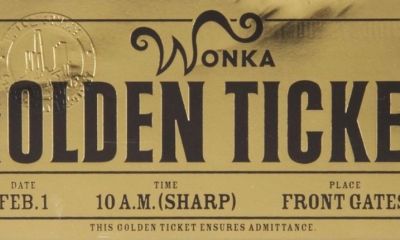
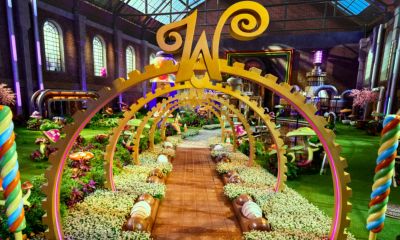
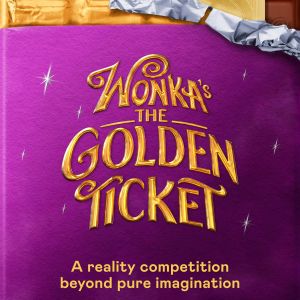
For anyone who grew up with the 1971 movie, the idea alone is hard to resist. Twelve people find golden tickets, walk through the gates of Willy Wonka's chocolate factory and compete for a prize that changes their lives. That's the pitch behind Wonka's The Golden Ticket, a Netflix reality competition that premiered on September 23, 2026, with its two-part finale arriving on September 30. Netflix built a huge, retro-futuristic version of the factory for it, brought back an actor from the original film and promised a "lifetime supply of money" to the winner.
Then it made a choice that has dominated almost every conversation about the show. Instead of a human host, contestants are guided through the factory by an AI-generated recreation of Gene Wilder's voice. Critics have been harsh, and the AI voice is a big reason why. Here's what the show is, how it works and whether it's worth a ticket.
How the game works
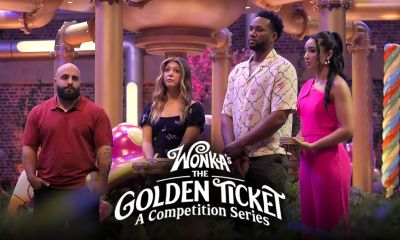
The show follows 12 Golden Ticket holders, and each one brings a partner of their choice. That makes 24 contestants in all. Netflix's examples include lifelong best friends who feel like sisters, high school sweethearts and a mother and son.
Once inside, the players face what Netflix calls "unpredictable games, tests and temptations." The challenges are meant to test their bodies and their nerves, and their morals too, a nod to the original story, where each child's flaw got them into trouble. Some challenges reward skill. Others are really about willpower, and whether someone can resist something sweet when they've been told not to touch it.
Only one contestant leaves with the grand prize. According to Just Jared, it's worth $3 million, paid out as a six-figure annuity over 30 years, which is the show's version of a lifetime supply. The season runs nine episodes, and it's rated TV-PG, so it's mostly safe for family viewing, though Netflix suggests younger kids watch with a parent.
The factory and its rooms
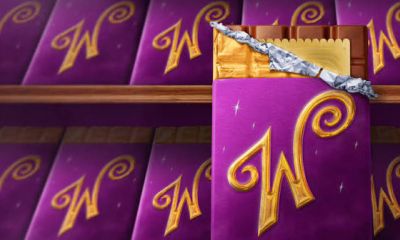
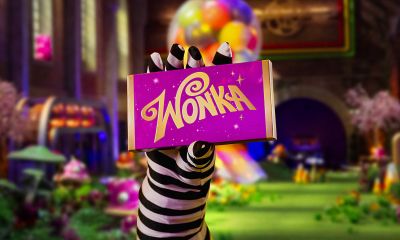
The set is the show's biggest selling point. Netflix describes it as a "retro-futuristic" chocolate factory, and the photos and trailers show bright candy-colored rooms and oversized props, with plenty of nods to the 1971 film.
One of the most talked-about rooms is "Wonkavision 2.0," a new take on the all-white television studio from the original movie. In it, contestants play game-show challenges with names like "Wheel of Misfortune," "Bubble Jeopardy" and "Steal or no Steal." Familiar TV hosts Howie Mandel, Nick Cannon and Wayne Brady appear as holograms to run them.
There's also a bit of real stage magic. Illusionist Adam Mada designed a trick that makes contestants seem to vanish from one room and reappear in another. "They actually watch the contestants fade and disappear in front of their eyes," he told Netflix.
Even the critics who disliked the show gave the set some credit. Decider wrote that "the set design, and the challenges that the contestants will undertake, will keep us watching."
A real Oompa Loompa returns
The show's warmest touch comes from the past. Rusty Goffe, who played one of the Oompa Loompas in the 1971 film, returns 55 years later, joined by his son Ben. Netflix also teased a cameo from the original Charlie Bucket.
For fans of the old movie, those moments are a genuine link to the story's history, and they show that the producers know exactly which audience they're trying to reach.
The Gene Wilder question
This is where things get complicated. Gene Wilder died in 2016, and his performance as Willy Wonka is one of the most beloved in family film history. The show uses an AI-generated recreation of his voice to guide contestants through the factory, with the consent of his estate.
Karen B. Wilder, his widow, spoke for the estate. "Gene had a remarkable ability to bring humor, wonder and heart into people's lives," she said in Netflix's announcement.
Many critics weren't comforted. The Los Angeles Times called it "a lifeless voice not so much from beyond the grave as buried in it." The Telegraph wrote that "Gene Wilder appears only as a creepy AI-generated voice." And USA Today, which gave the show a zero, called it "a travesty of a show even before Wilder's voice shows up."
The debate goes beyond this one series. Hollywood has been arguing for years about AI recreations of actors, especially ones who can no longer give their own consent. Even with the estate's blessing, a lot of viewers feel uneasy hearing a familiar voice say lines its owner never spoke. Whether you find it a sweet tribute or an unsettling gimmick will probably shape how you feel about the whole show.
What critics said
The reviews have been rough. On Metacritic, the season has a score of 29 out of 100 based on seven critics, which counts as "generally unfavorable." On Rotten Tomatoes, it sits at 11%, according to TV Insider.
Beyond the AI voice, the main complaints are about pacing and tone. The Guardian wrote that "for the most part, this show wanders around sluggishly." Variety took issue with the style of the show: "Challenges are introduced with 'Fallout'-style, '50s-esque videos that are aesthetically out of place." And TV Guide accused the show of "candy-coating a stale center of a bad show."
Decider was the friendliest, giving it a 60 and pointing to the set and the challenges as reasons to stay.
Viewers are curious anyway
Bad reviews haven't kept people away. In early October, the show landed at No. 6 on Samba TV's chart of the most-watched streaming titles in the U.S., according to TheWrap. A famous story, a giant set and a lot of online debate about the AI voice are a strong mix for curiosity.
Who it's for
If you love big, colorful competition shows like Squid Game: The Challenge or The Traitors, there's something here for you. The format mixes games with strategy and temptation, and the stakes are high.
If you're a fan of the 1971 film, it's a mixed bag. The set, the Wonkavision room and Rusty Goffe's return are real treats. But the AI voice may be hard to get past.
And if you're looking for a family show, it's rated TV-PG and built around a story kids know, so it could work for a family night with older children. Just be ready to explain what an AI voice is if they ask.
Should you watch it?
It depends on what you want. As a spectacle, the show has a lot going for it, starting with that enormous factory. As a piece of television, critics say it's slow and uneven. And as a tribute to Gene Wilder, it's the most divisive part of the whole package.
I'll admit the AI voice would be a dealbreaker for me. Wilder's Wonka worked because of tiny human details, like his pauses and the mischief in his eyes, and a recreation can't quite catch that, no matter how good the technology gets.
But if you're curious, the full season is out, with nine episodes and a finale already released. Watch the first episode, step into the factory and decide for yourself. As Wonka himself might say, the suspense is terrible. I hope it'll last.
Pros
- Intriguing narrative structure that blends classic charm with modern storytelling
- Stunning visual effects that create an immersive cinematic experience
- Rich character development offering a multi-dimensional portrayal
- Innovative filmmaking techniques that enhance the magical realism
- Accessible viewing options catering to diverse audiences
- Engaging soundtrack that perfectly complements the film's mood
Cons
- Pacing may feel uneven for some viewers
- Certain narrative elements might confuse younger audiences
- Modern reinterpretation may polarize fans of the original story
Screenshots