The Great British Baking Show Review




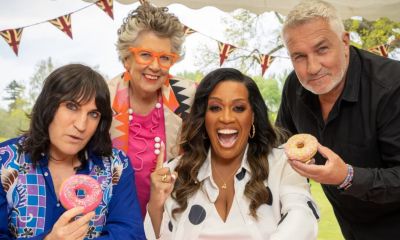
Swapping a judge on a show this beloved is a bit like changing the recipe for your grandmother's pound cake. People notice. They have opinions. Some of them write letters. That is the gamble behind The Great British Baking Show Collection 14, which arrived on Netflix on September 25, 2026. Prue Leith is gone. Nigella Lawson now sits beside Paul Hollywood, and the whole season quietly turns on how those two get along.
New episodes drop on Netflix every Friday through the finale. I won't say a word here about who wins, who gets the Star Baker nod, or who packs up their whisks early. This is about the setup, the people, and whether the tent still works its gentle magic.
The new chair at the table
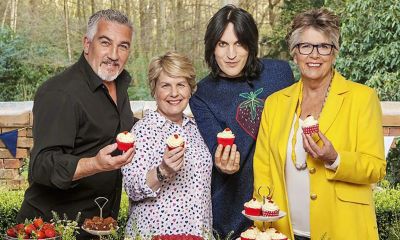
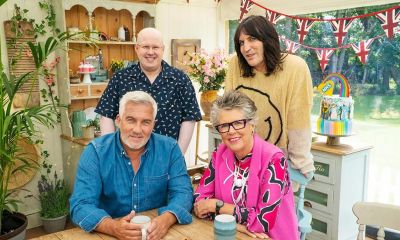
The judging panel has barely changed in the show's long life. Mary Berry sat next to Paul Hollywood in the early BBC years. When the series switched to Channel 4 in 2017, Prue Leith stepped in. She held the role for nine seasons and then decided to leave.
Enter Nigella. In Britain she is one of the best-known food writers and TV cooks around, famous for talking about food in a warm, almost dreamy way. Precision is not really her brand. She has never been someone who weighs flour down to the last gram, and that sets up a fun contrast, because Paul Hollywood very much is.
She has been honest about the nerves. Writing on Instagram, Lawson said, "Of course, it's daunting to be following in the footsteps of Prue Leith and Mary Berry before her." She also said she was "thrilled to be joining the team and all the new bakers to come."
So what changes? Leith was known for quick, sharp quips and her loud, chunky jewelry. Lawson's manner is softer and more sensual. Hollywood tends to fixate on the bake and the texture, while Lawson is far more likely to rave about flavor. Watching those two styles bump into each other may be the best reason to tune in this year.
Wait, why "Baking Show" and not "Bake Off"?
New American viewers often ask this. Back home in the U.K., the series is called The Great British Bake Off and airs on Channel 4. Over here, Pillsbury owns the word "Bake-Off," since it has held its own baking contest for decades. So the American title had to change.
Netflix also skips the British series numbers. It calls each season a "Collection," which is why U.S. fans are on number 14. Same episodes, different label, a short delay. Channel 4 airs each one on Tuesday, and Netflix in the U.S. gets it that Friday.
Noel and Alison, still in charge of the chaos
Nothing has changed on the hosting side. Noel Fielding returns with his odd jokes, odder outfits and soft teasing of the contestants. Alison Hammond is also back, laughing her big laugh and hugging any baker who looks close to tears.
By now the pair have a real rhythm. Their job is to keep things light, sneak a bite when the judges turn away, and shout "Bakers, your time is up!" at the most painful possible second.
Who's in the tent this year?
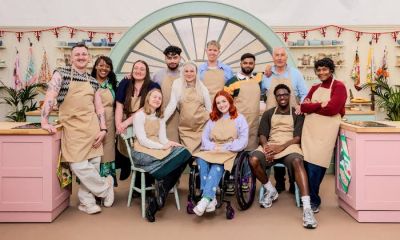
Twelve home bakers made the cut. As always, they come from all over Britain and from jobs that have nothing to do with pastry.
The age gap is wide. Mo, 21, is a law student from the West Midlands and the youngest of the group. Gary, 67, is the oldest, a retired garment technologist from Nottinghamshire.
London sends a big group. Yannis is a 28-year-old pediatric doctor. Connie, 63, works as an NHS hospital discharge lead. Molly, 31, is an accessibility coordinator, and Nikki, 50, works in advertising post-production.
Also from the West Midlands is Gabe, a 32-year-old artist and drag king. Tom is a 25-year-old hairdresser from West Yorkshire. Moyin, 22, studies political economy in Essex, while Clara, 24, is a marketing graduate from Hertfordshire.
The last two are Danni, 25, an administrator at an HGV service center in Dorset, and Shannon, 29, a project planner and scheduler from Gloucestershire.
That spread matters more than it seems. One of the show's secret strengths has always been watching people who would never meet in normal life cheer each other on. A retired garment technologist and a 21-year-old law student fussing over the same tray of buttercream is pretty much the whole appeal in one picture.
Three bakes, one theme
For first-timers, the format is easy to follow. Each episode has a theme. Each theme gets three challenges.
First comes the Signature, a bake the contestants have rehearsed at home and use to show off their personal style. Next is the Technical, a surprise recipe set by one of the judges, often with big chunks of the method left out on purpose, so the bakers have to work it out under pressure while the judges later taste everything blind and rank it from worst to best. Last is the Showstopper, the huge, showy bake meant to impress, usually with hours on the clock and a plan that is a touch too ambitious.
Each week, one baker earns Star Baker and one goes home. Three reach the final. The prize? A glass cake stand and a bunch of flowers. No money at all.
A first for the fans
Aside from Nigella, the big new idea is Audience Choice Week. For the first time ever, fans voted on all three challenges for a single episode. It ran as episode three, which is a playful shake-up for a show that almost never touches its formula.
The usual favorites are here too. The season kicked off with Cake Week and moved on to Biscuit Week. Bread Week lands on Netflix on October 16. Longtime fans know it as the week Hollywood is at his toughest, so expect some nervous faces.
Mark the calendar for the end. The semi-final hits Netflix on November 20. The grand final follows on November 27, right in time for Thanksgiving.
Why does it still feel so good to watch?
Plenty of networks have tried to clone this show. Most copies fall flat. The baking is nice, but it is not really the point.
The point is kindness. When someone's sponge sinks or their pastry comes out with a soggy bottom, the bakers next to them often run over to help. Nobody yells or plots. With only a cake stand on the line, there is just no reason to be mean. The judges can be blunt, Hollywood most of all, but they rarely sneer.
The setting helps a lot. It is a white tent in the English countryside, with cutaway shots of lambs and ducks that make it feel like an afternoon picnic. The show has been running in the U.K. since 2010, and in that time it has become a comfort watch for millions, the thing people put on after a rough day or while folding laundry on a lazy Sunday.
Worth your Friday nights?
Returning fans, yes. The big story this year is Nigella, and the only way to judge her is to watch her and Hollywood find their footing together week by week.
Newcomers, this might be the ideal moment to jump in. You will be meeting the new judge at the same time as everyone else, and the weekly schedule makes it easy to keep up. Fair warning, though. You will want to bake something by the end of episode one.
I'm personally most curious about what Nigella sets for the Technical. Her own recipes are known for being relaxed and forgiving, and Technicals are known for being the opposite. How strict she chooses to be there could reveal a lot about the kind of judge she plans to become.
So put the kettle on and find a biscuit, ideally a crisp one. Friday is waiting.
Pros
- Offers a soothing, cinematic visual experience that creates a relaxed viewing atmosphere.
- Features detailed close-ups and meticulous editing that highlight the art of baking.
- Promotes camaraderie and friendly competition without the excess of dramatic confrontations.
- Available on multiple streaming platforms, providing versatile and accessible viewing options.
- Integrates an appealing soundtrack and ambient sound design that enhance the sensory experience.
- Encourages creativity and culinary artistry, fostering cultural reflections on community and tradition.
Cons
- The slow-paced narrative may not appeal to viewers seeking high-intensity competition.
- The understated humor might feel too subtle for those expecting overt comedic moments.
- The focus on artistic presentation may leave some viewers desiring more traditional reality TV drama.
Screenshots