Vampirio Strategy Guide: Building, Surviving, and Thriving Through the Night
Nov-06-2026
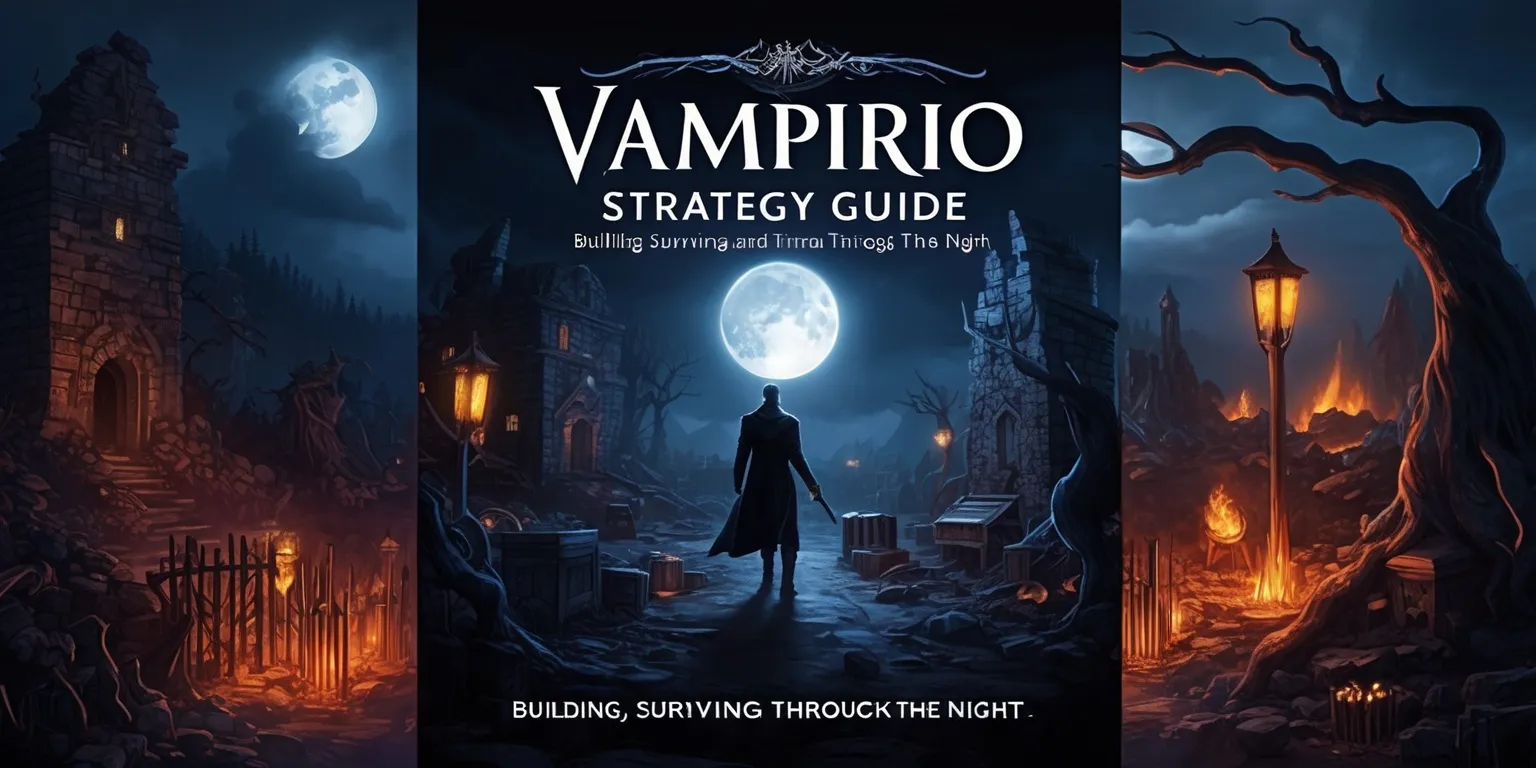
Vampirio blends fast, reactive combat with careful preparation in a way that gives every in-game day a purpose. You are not only swinging into battles against relentless creatures, but also shaping the fortress that will have to endure the night. That mix of action and planning gives the game a steady rhythm: gather, build, upgrade, then defend when darkness arrives. The story adds another layer by following Vlad Dracul’s transformation into Dracula, giving the world a gothic identity that feels closely tied to its mechanics. For players new to Outfit7’s monster-slaying RPG, grasping how these systems are interconnected is essential to lasting past the first few waves and making each run feel more controlled.
Daylight as Your Planning Window
The daytime phase is where the game quietly asks you to think like a strategist. Instead of rushing straight into combat, you are given a calm period to repair damage, place new defenses, and gather the materials needed for the next encounter. This timing is important because every decision made in daylight shapes the strength of your fortress after sunset. It is easy to forget how much the next battle will depend on these preparations, especially when resources and time seem plentiful for the moment. However, the structures you reinforce now determine where enemies will struggle, where they will break through, and how much freedom your hero will have once the attack begins.
Fortress Building With Purpose
Construction in Vampirio is not meant to be random decoration. Every wall, upgrade, and repaired section serves a tactical role in how your territory absorbs pressure. It is tempting to spread resources evenly across every corner, but the game rewards sharper thinking. If one route was repeatedly overwhelmed during the previous night, it usually deserves stronger investment than a part of the fortress that remained untouched. This creates a satisfying cycle of observation and response. The battlefield teaches you where the weak spots are, and daylight gives you the chance to turn those weak spots into stronger lines of resistance. That sense of adaptation keeps the fortress system active rather than static.
Resource Choices That Matter Most
Limited resources force meaningful decisions, which is part of what gives the game its strategic identity. You cannot simply improve everything at once, so each upgrade carries an opportunity cost. A stronger barrier in one area may be more valuable than a general improvement spread across several buildings. This is the point where the game begins to feel very personal, because the best choice depends on what happened in your last battle and what kind of threats are still looming. Some runs may demand more durability, while others may reward faster rebuilding or better support structures. The pressure to choose wisely makes even small upgrades feel important, especially when the next night can expose every weak investment.
How Movement Shapes Survival
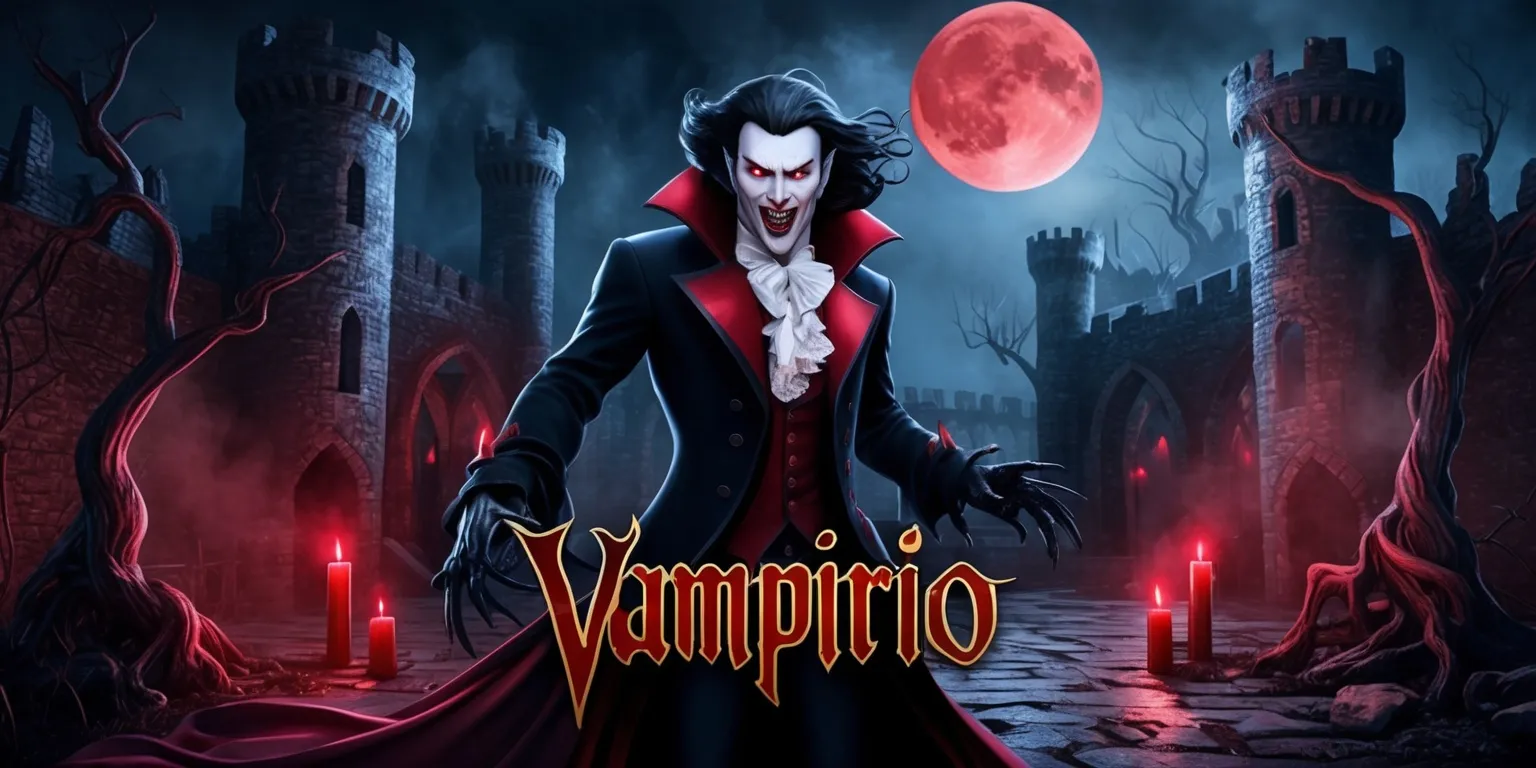
Once combat begins, stillness becomes dangerous. The enemy pressure can come from multiple directions, and your hero must stay in motion to avoid being boxed in. Movement is not only about escape; it is also about positioning yourself where you can help the fortress most effectively. If one section of the defense is straining, relocating in time can prevent the line from collapsing. A good run often comes down to how well you read the battlefield while staying mobile. The game encourages a proactive style where repositioning, spacing, and familiarity with the route are equally essential as direct attacks. That keeps each encounter lively and forces you to treat the arena as a shifting puzzle rather than a fixed stage.
Combat Flow and Active Participation
Vampirio does not let the battle sit in the background while you wait for results. You are expected to stay engaged, clearing enemies, protecting vulnerable points, and reacting to changes in pressure around you. As your hero grows stronger during a run, the pace often shifts, but the need for awareness never fades. It is possible to become aggressive and productive, yet overcommitting can be costly if you end up stranded in the wrong place. The most reliable rhythm usually comes from alternating between offense and restraint. You step in when there is room to act, then pull back when the crowd builds too tightly. That balancing act gives the combat a satisfying sense of tension.
Building Around What the Run Offers
Because the game has a rogue-like structure, it is wise to let each session unfold on its own terms. You may begin with one thought fixed in mind, only to realize that the available upgrades support a different style entirely. Instead of forcing a planned path, it is often smarter to assess the current strengths of your hero and build around them. Some choices may patch a weakness, while others may amplify a tactic that is already working. This flexibility is among the most attractive aspects of the design. Each run feels distinct because you are continually adapting to the options in front of you, rather than repeating the same idealized setup every time.
Damage Is Only One Measure of Strength
There is a common temptation in action RPGs to chase damage above all else, but Vampirio makes that approach feel incomplete. A powerful attack pattern may help clear enemies quickly, yet the game frequently places you in situations where staying alive is the real priority. If your health is low or your position is collapsing, defensive choices can be far more valuable than another offensive boost. The best build is often the one that keeps you functional under pressure. That means looking beyond raw numbers and considering durability, control, and recovery. The game’s structure rewards players who understand that surviving a difficult night is sometimes more important than ending it with the highest possible damage output.
Keeping the Bigger Picture in View
During intense moments, it is easy to focus only on the enemies closest to you. Vampirio tests whether you can resist that tunnel vision. While one side of the battlefield may seem urgent, another section of your fortress might be falling apart at the same time. The game works especially well when you remember that the fight is not just about the creature in front of you, but about the entire defensive line. A single target is rarely worth neglecting a critical breach elsewhere. Staying aware of the broader situation makes your decisions sharper and your movement more efficient. That sense of spatial awareness adds depth to every confrontation.
Learning Through Different Heroes
One of the most attractive aspects of the roster is how each hero changes the experience. Alba serves as a strong starting point, showing you the basics and helping you understand the flow of survival, defense, and progression. After that, the game opens up through characters like Vlad, Lucian, and Morana, each of whom brings a different combat identity. This variety matters because it stops the game from turning into a single fixed routine. A hero with a particular pace or skill set may encourage more aggressive movement, while another may favor careful positioning or tactical bursts of power. Discovering those differences gives the roster real value and makes experimentation feel worthwhile.
Adapting When a Boss Changes the Rhythm
Regular enemy waves and boss encounters do not always demand the same answers. A method that works smoothly during routine battles may become awkward when a boss enters the field with a different attack pattern or pace. In those moments, the smartest response is to observe first and adjust second. Sometimes the most effective change is simply fighting in a different part of the map. In other cases, you may need to shift your priority from offense to survival, or stop relying on the same movement pattern that was working before. Bosses are designed to interrupt comfortable habits, and the game gives you space to respond if you are willing to adapt rather than doubling down blindly.
What Happens After a Rough Night
Not every attempt in Vampirio will go smoothly, and the game appears to expect that. A failed run still gives you information about enemy behavior, weak points in your fortress, and the kinds of upgrades that fit your playstyle. That learning process is supported by long-term progression, which allows heroes, gear, and permanent improvements to grow over time. This means one rough night never fully defines your progress. Instead, each defeat becomes part of a broader pattern of improvement. You can return with better knowledge, stronger tools, and a more refined plan for the next attempt. The long-term structure gives repeated runs a sense of momentum, even when the individual battles are harsh and unpredictable.