GTA 6 Walkthrough: Jason and Lucia’s Journey Through Leonida
Nov-20-2026
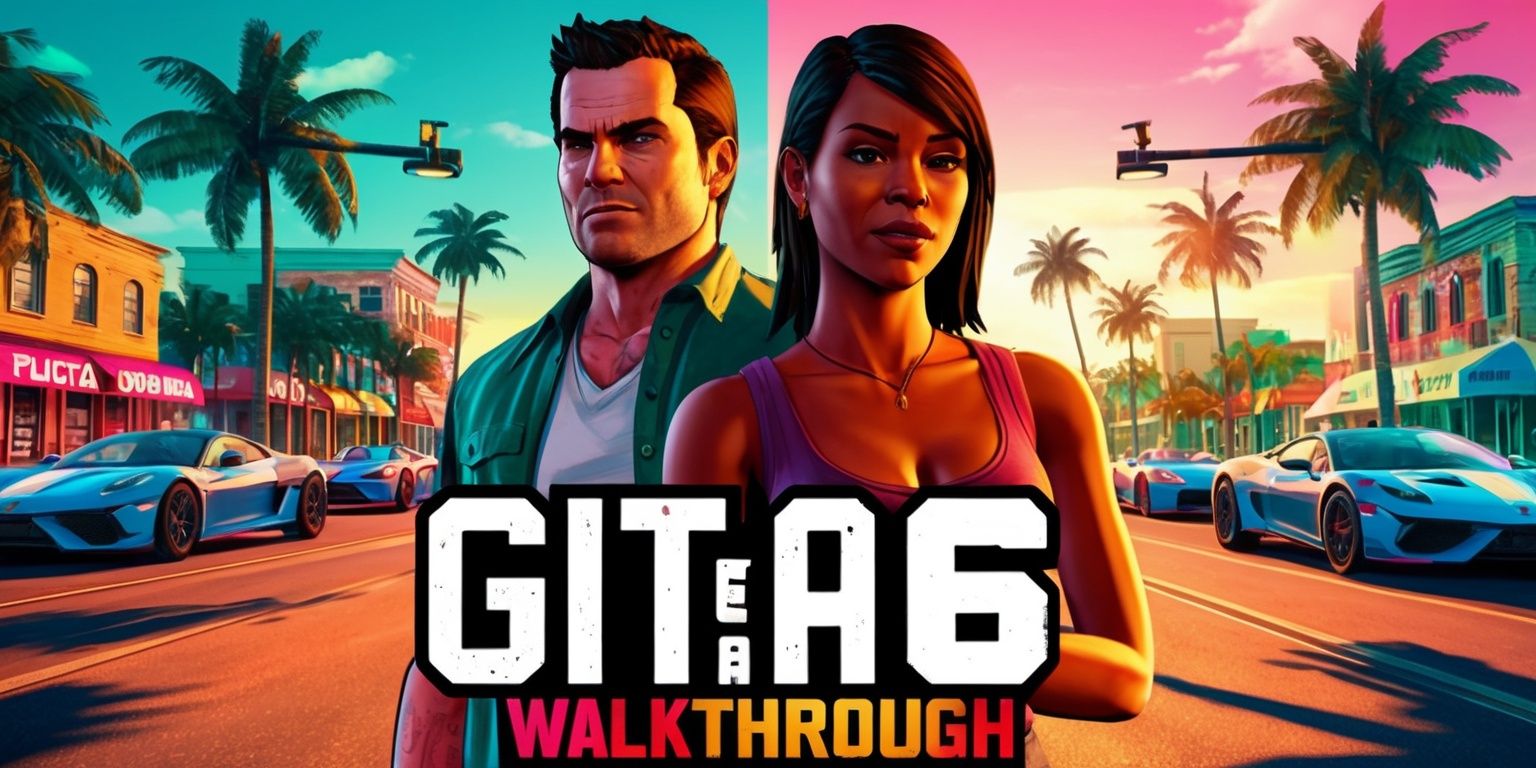
GTA 6 arrives with the kind of anticipation that only a long-awaited sequel can generate, bringing players back into a sprawling open world shaped by crime, chaos, and constant discovery. This time, attention turns to Jason and Lucia, a duo whose journey threads through a living, reactive version of Leonida packed with opportunities, distractions, and danger at every turn. Whether you want to follow the main story in a focused way or wander into the many optional activities the world offers, the game is built to reward curiosity. This article reworks the original walkthrough information into a fresh structure, highlighting how the experience unfolds, what players can expect from the mission flow, and why moving beyond the main path matters so much in a world this large.
The Shape of the Journey
At its core, GTA 6 is designed as a guided open-world progression through a series of connected objectives, yet it never feels rigid. The story is organized around mission pacing, character switching, resource management, and exploration, all of which work together to create a very flexible playthrough. The walkthrough approach is useful because the game does not simply hand you one route and ask you to follow it mechanically. Instead, it gives you a broad structure, then invites you to move between story content and world activities in whatever rhythm suits you best. That balance between direction and freedom stands out as one of the greatest advantages of the experience, making each session feel both purposeful and unpredictable.
Jason and Lucia at the Center
A key characteristic of the game is the partnership between Jason and Lucia. Instead of centering on just one main character, the story places two characters at the center, each bringing a different flavor to missions, scenes, and decision-making. That setup changes not just the narrative but also the feel of gameplay, because the audience gets to experience events through different perspectives. The interplay between the two creates momentum, especially when missions shift control from one character to another. Their relationship gives the story a stronger emotional anchor, while also supporting the larger world of heists, negotiations, escapes, and unstable alliances that define the series.
Mission Flow and Objective Order
The walkthrough overview is built around a recommended order for completing the game’s main objectives, which helps players stay oriented in a world that can easily pull attention in several directions at once. Each mission advances the narrative while also locking in character context, money management moments, and the occasional need to reorganize your resources. That structure is especially helpful in a game where timing matters and where certain tasks may be easier if you arrive prepared. Following the main route can provide momentum, but it also leaves room for pause, experimentation, and detours when the game opens its world to you between story beats.
Free-Roam as a Core Feature

Leonida is not merely a backdrop for missions; it constitutes a significant portion of the whole experience. Whenever the game allows free-roam, that space becomes the real playground, and the walkthrough strongly encourages stepping away from the main path now and then. Free-roam gives players the chance to hunt for hidden content, complete side tasks, or simply observe how the city and surrounding areas react to movement and time. The pleasure of GTA 6 lies partly in those unscheduled moments, where you can decide to pursue something unusual rather than efficient. That flexibility makes the game feel alive, since the world is large enough to support wandering without making it feel aimless.
Side Missions with Their Own Identity
Beyond the headline story missions, the game offers a network of side missions that expand the sense of place and the range of activities available to the player. These optional jobs often introduce new characters or unusual complications, giving Leonida even more personality through small stories and strange encounters. The original walkthrough points out that the list of side content is too extensive to cover completely in one overview, which says a lot about how much the game expects players to engage beyond the main route. Side missions are not just filler; they help fill out the social and criminal ecosystem of the game, adding texture to regions and routines that would otherwise feel purely functional.
Activities That Break Up the Pace
The game does a strong job of mixing high-intensity story content with off-road pursuits, fishing, hunting, and other hands-on diversions. These are important not only because they provide variety, but because they also alter how you experience the game’s geography. Riding across rough terrain, casting a line in a quiet spot, or following a trail away from the streets all produce different moods and different kinds of player attention. That variety is essential in a game as large as GTA 6. It prevents the world from becoming a sequence of mission markers and instead turns it into a place where low-key exploration can sit beside explosive plot developments without feeling disconnected.
Collectibles and World Curiosity
Another layer of engagement comes from collectibles, such as books, cards, and other hidden objects scattered throughout the world. These items are often appealing because they reward observant players and encourage a more careful relationship with the environment. Instead of always driving from one objective to the next, players are nudged to look up, look around, and remember places that might be worth revisiting. Collectibles also work as a quiet form of world-building. They can reveal local flavor, imply history, or simply make a neighborhood feel more detailed. In a game built around scale and immersion, those smaller discoveries matter more than they might in a simpler structure.
Money Management and Account Timing
The walkthrough makes a point of emphasizing money management, and for good reason. In GTA 6, financial decisions are woven into the flow of play, with moments where saving or transferring money becomes important. That system adds a practical layer to the criminal fantasy, reminding players that progress is not only about mission completion but also about protecting what you have earned. Managing funds can influence what you’re able to purchase, and the way you prepare for future tasks, and how comfortably you can move through the game’s economy. It gives the experience a tactical edge, especially when the game asks you to think ahead instead of spending recklessly in the moment.
Guides That Support Different Play Styles
The original article references a broader guides list, and that reflects how many systems GTA 6 is expected to contain. A game with this scope tends to benefit from specialized guidance because no single walkthrough can cover every mechanic equally well. Some players may want help understanding systems, while others may care more about vehicles, weapons, or moral choices. The guide structure acknowledges that variety by separating topics into categories rather than forcing everything into one path. That approach suits a game that supports multiple play styles, since one player may spend hours chasing cars while another focuses on side missions, and someone else may care most about hidden details or route optimization.
Car Systems and Movement Across the Map
Transportation is one of the defining languages of the series, and GTA 6 continues that tradition by making vehicle use a major part of how the world is experienced. Cars are not only practical tools for moving between regions; they also shape the feel of pursuits, errands, and casual travel. The game’s size means that driving becomes both a necessity and a pleasure, especially when moving between urban areas and more open stretches of land. Vehicle-related mechanics often connect naturally to police pressure, mission escape routes, and personal exploration, which makes driving feel like a fundamental component of the broader rhythm, instead than just a means of getting somewhere faster.
Weapons, Crime, and Pressure
Combat and criminal activity remain central to the identity of the game, but the walkthrough framing suggests that these elements sit within a broader system of planning and consequence. Weapons are part of the toolkit, yet they are only one layer of a larger experience built on timing, positioning, and the shifting demands of each mission. The game’s crime-focused structure creates tension because actions often carry immediate and practical effects in the environment surrounding you. No matter whether you find yourself in the midst of a mission or wandering with freedom, the presence of danger gives even routine movement a sharper edge. That pressure helps maintain the series’ signature mix of tension and spectacle.
Why the World Benefits from Detours
One of the strongest messages in the walkthrough material is that the game becomes richer when you leave the main path now and then. Leonida is described as offering more than expected, and the design clearly supports that idea through side missions, activities, hidden items, and varied terrain. Detours are not distractions from the game’s real content; they are part of the content itself. By stepping away from the mission order, players can get a better sense of region identity, local pacing, and the differences between urban density and open-country movement. These pauses also make the story missions feel more impactful when you return to them, because the world has had time to expand around them.
Updating the Walkthrough as the Game Expands
The walkthrough overview is presented as something that will continue growing, which fits a game of this size and complexity. Large open-world titles often reveal their depth over time, especially when players begin finding routes, systems, or hidden tasks that were not immediately obvious. A living guide structure makes sense because it can adapt to new discoveries and fill in gaps as more information becomes available. That evolving format mirrors the game itself, which encourages repeated visits, experimentation, and a willingness to revisit areas with new goals in mind. For players following Jason and Lucia through Leonida, that means the experience can keep unfolding long after the first pass through the main story.