Chess Reimagined: Navigating the Roguelike Revolution
May-20-2026
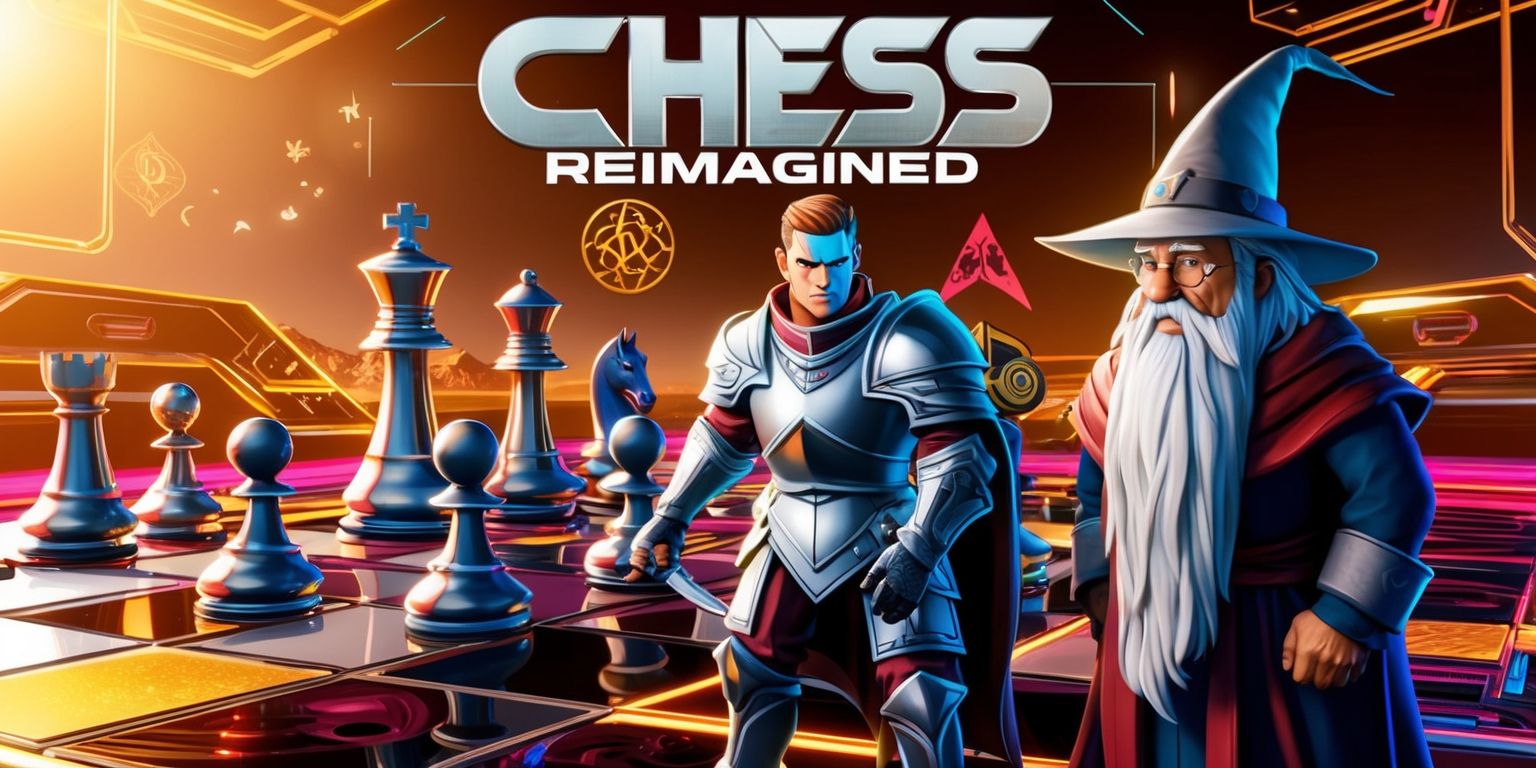
The world of chess-inspired roguelikes unfolds in an arena where classic strategy meets ever-changing twists. As players dive into this compelling universe, every move requires careful deliberation and a willingness to embrace both the familiar and the unconventional. This guide details a unique perspective on a game that challenges even the most seasoned tacticians while inviting newcomers to explore its layered intricacies. With a blend of traditional chess elements and innovative gameplay dynamics, enthusiasts are encouraged to experiment, adapt, and ultimately find their own rhythm as they set foot on a board that defies expectations.
Embracing the Chess Legacy That Informs the Game
The game stands on the rich tradition of chess but does so with a refreshing twist that brings new life to long-established strategies. Instead of merely moving pieces in predictable patterns, players are immersed into a world where every decision is amplified by unforeseen variables. The board serves not only as a battleground of wits but as a canvas for artistic expression. Each piece retains its traditional prowess while being reborn in a setting where movement and tactics are reinterpreted. This interplay between heritage and novelty creates an environment ripe for experimentation. It requires players to treat their every move as both a nod to classical strategy and an opportunity for creative problem solving. The balance struck between familiar tactics and innovative challenges becomes the foundation for an engaging experience.
Discovering the Roguelike Essence in Every Turn
This game marks a fascinating departure from routine board battles by incorporating roguelike elements into its structure. Unlike conventional chess, where the board and its pieces remain static, here every session offers a unique, procedurally-generated experience that promises surprise and discovery at every turn. Such unpredictability demands a flexible mindset, as players never know quite what configuration awaits on the next game board. The game mechanics embrace the spirit of roguelikes by rewarding exploration and strategic risk-taking. With the element of randomness in board layout and power-ups, every playthrough is a fresh challenge. As chance intermingles with calculated strategy, players are encouraged to hone their decision-making skills in the face of ever-evolving scenarios.
Innovative Gambits: Redefining Tactics with Unique Twists
Central to the game’s charm is the introduction of innovative gambits that reinvigorate traditional chess strategies. These special moves offer opportunities to break away from the conventions of standard piece movement, allowing for an accelerated pace and a dynamic alteration of the game’s flow. The gambits serve as a mechanism to both surprise opponents and reshape the board in creative ways. They are more than mere accelerations; they function as strategic tools that enable players to tailor their plans in response to an unpredictable battlefield. The tactical allure of these moves lies in their ability to disrupt pre-planned strategies and introduce a fresh layer of complexity. This encourages players to not only plan ahead meticulously but also remain agile and inventive throughout the match.
Exploring the Impact of Special Tiles on the Board
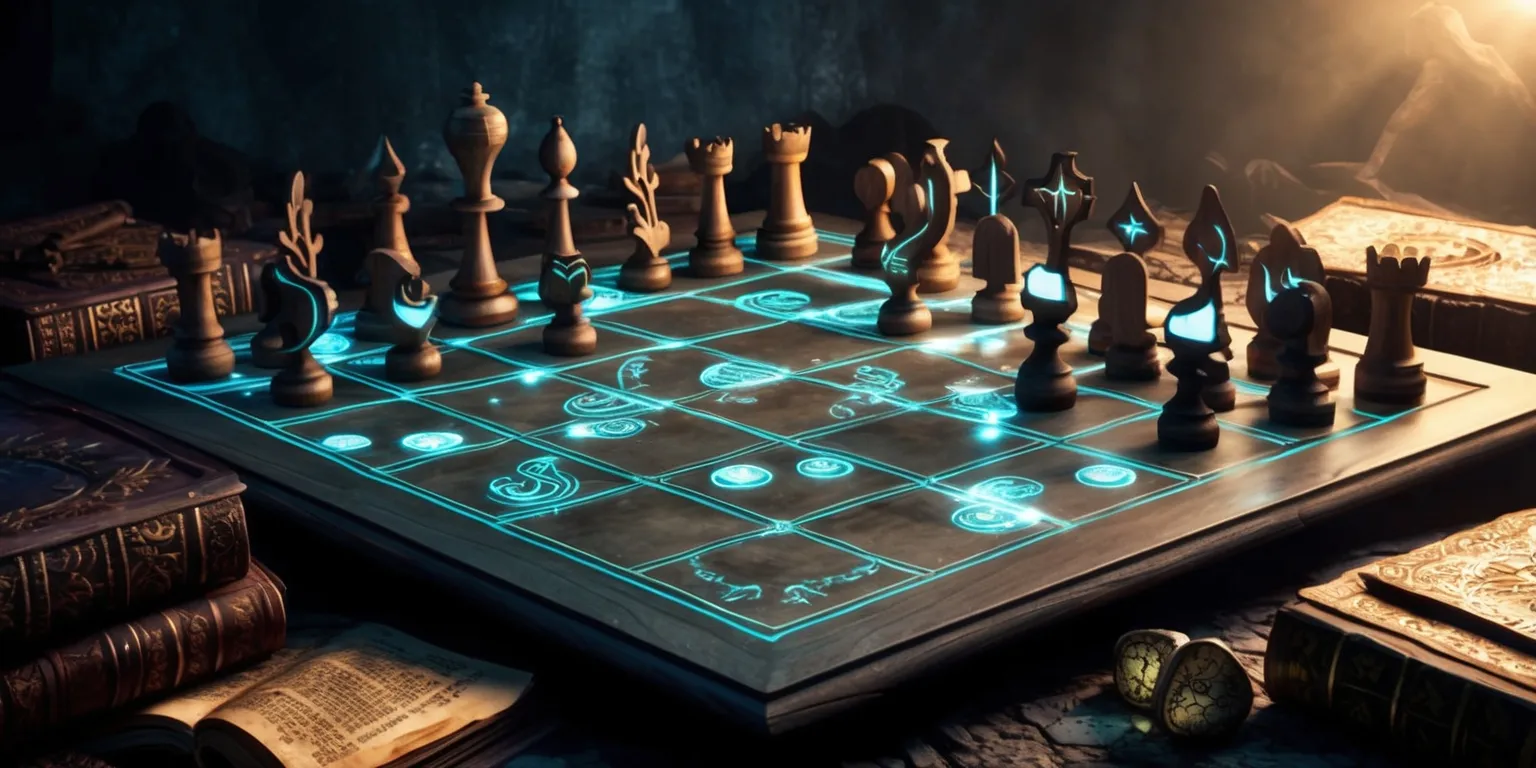
Adding further depth to the gameplay, special tiles contribute their own set of challenges and rewards to each match. These tiles alter the board’s configuration by introducing various unique effects that can affect movement, strengthen positions, or destabilize long-held plans. The unpredictability of these tiles introduces a refreshing contrast to the standard chessboard, as Players need to revise their tactics to accommodate… unexpected terrain changes. Their impact is significant, demanding an elevated degree of situational understanding. As a result, players are pushed to study not just their pieces but also the modified board environment. This aspect of gameplay transforms the overall challenge into a multifaceted puzzle where each tile carries the capacity to shift the trajectory of combat dramatically.
Delving into the Gameplay Mechanics and Board Dynamics
The game’s mechanics offer a fascinating study in board dynamics, where traditional chess movement is enhanced by unforeseen modifications. With every move, intricate systems interact to form an overall gameplay experience that is both intellectually demanding and refreshingly novel. The board itself is a living arena where pieces interact with customized elements like special tiles and gambits. This creates an ever-evolving battlefield that requires continuous adaptation and precise evaluation of risk versus reward. The challenge lies in learning to anticipate not just the moves of your opponent but also the unpredictable changes the board might undergo. The layered complexity of this system invites players to study and master new mechanics while refining their innate strategic sensibilities.
Appreciating the Game’s Unique Aesthetic and Design Complexity
Amid the tactical depth lies an aesthetically engaging game world that marries classical influences with modern design sensibilities. Every element of the game, from the carefully crafted board layout to the elegantly rendered pieces, contributes to an immersive environment that entices both the casual user and the dedicated strategist. The visual style offers a seamless fusion of age-old traditions and cutting-edge innovations, with familiar symbols reimagined "in a style that's modern yet imbued with reverence." of its chess roots. This combination of time-honored design and visionary aesthetics elevates the overall experience, making the game not merely a contest of skills but also an artistic expression. It remains a vivid reminder of the enduring influence of traditional gaming can evolve, interweaving refined visuals with gameplay intricacies to engage a diverse audience.
Adjusting to Complexity: The Early Challenges of the Game
For newcomers stepping into this intricate blend of chess and roguelike adventure, the initial learning curve can be steep. A primary challenge is understanding the interplay between established chess conventions and the game’s innovative mechanics. The intricacies of special tiles and gambits quickly reveal that every match is a new puzzle, one that demands both a steadfast appreciation for age-old customs combined with a readiness to embrace fresh perspectives to novel strategies. Frustration is a natural part of this experiential process, but each setback offers valuable insights into the game’s patterns and rewards. The key lies in balancing risk with reward, where each decision propels players to adapt and refine their tactical approaches. Overcoming early obstacles thus paves the way for a rewarding mastery, where strategy and spontaneity merge seamlessly.
Translating Chess Concepts for a Modern Audience
The game serves as an intriguing bridge between classical chess theory and modern gaming innovations, making age-old concepts accessible to a new generation. Traditional chess elements such as controlling the center, piece coordination, and tactical sacrifices are re-interpreted in this exciting context. Players quickly discover that familiar strategies must be rethought in light of additional mechanics like filmic gambits and the mutable board influenced by special tiles. These adjustments challenge conventional chess wisdom and push players to rethink their approach to risk management and positioning. By adapting classical tactics to the evolving game landscape, players sharpen their strategic thinking. This evolution not only introduces fresh perspectives on a time-honored game but also ensures that every match is a blend of learned tradition and inventive exploration.
Experimentation and the Freedom to Innovate Your Playstyle
One of the standout features of this game is the emphasis on experimentation. With an intricate system that intertwines classic chess strategy and modern mechanics, players are encouraged to try a variety of approaches tailored to their unique playstyle. Instead of adhering strictly to conventional wisdom, the game provides an open arena for creativity. Experimentation "is especially fulfilling because it opens the door for the" exploration of multiple gambits and strategic tile uses. There is no single correct method to navigate the board; success lies in developing a personal style that harmonizes instinct with calculated risk-taking. This freedom to innovate nurtures a gaming environment where constant learning and adaption are celebrated, empowering players to continuously redefine their understanding of the game's mechanics.
Understanding the Role of Tactical Gambits in Strategic Advancement
At the heart of the game’s strategic depth lies a system of tactical moves that differentiates it from standard chess. These moves, known as gambits, allow players to sacrifice material or deviate from the norm in order to secure a positional advantage. Their incorporation offers a layer of strategy that deliberately challenges conventional chess tactics, demanding that one consider both immediate and long-term goals. The decision to employ such gambits requires careful assessment, often weighing the potential benefits against inherent risks. As players progress and gain more insight into these mechanisms, they begin to recognize patterns and opportunities unique to this gameplay style. The tactical gambits not only contribute to the unpredictability of matches, but also serve as powerful instruments for those willing to experiment tactically in the pursuit of strategic dominance.
Exploring the Nuances of Board Manipulation and Dynamic Interplay
The game’s design emphasizes the idea that the board itself is an active participant in the battle of wits. Through dynamic board manipulation, players must continually adjust their strategy in response to both the movement of their pieces and the transformative effects introduced by special elements. This adds an intriguing complexity, as players encounter ever-evolving conditions that force continual reassessment of their tactics. The intricate interplay between traditional chess positioning and the innovative features of the game creates a scenario in which every move carries layered implications. Such nuances challenge even experienced chess enthusiasts, compelling them to expand their repertoire of strategies. The ever-changing board dynamics turn each round into a living puzzle, where adaptability and creativity form the cornerstone of effective play.
Immersion in a Continuously Evolving Strategic Landscape
Rather than a static battleground, the game offers a constantly shifting strategic landscape that deepens its appeal for those who relish adjustment and continual learning. Each session unfolds with a blend of planned maneuvers and spontaneous events, resulting in gameplay that is both intellectually stimulating and eminently unpredictable. The evolving nature of board tiles and the flexible use of gambits ensure that no two encounters are ever exactly alike. This fluidity keeps the game fresh and engaging, challenging players to adapt on the fly and develop strategies that can pivot quickly. The continuous evolution of the gameplay environment creates a layered experience where prior knowledge meets the unknown, inviting both inexperienced and accomplished gamers to plunge into a constantly expanding universe of tactical possibilities.