Innovative Crossover Experiment: Miniature Heroes in Dynamic Combat
Sep-06-2026
This article explores an unconventional direction taken by a major animation studio as it expanded its crossover endeavors following a wildly popular role-playing game.
The studio’s early success with the game prompted a strong interest in merging different universes, "to such an extent that the idea was actively contemplated" developing a fighter that mirrored the style of popular arena brawlers. Proposals for such a crossover were met with considerable debate, and even during its inception, substantial effort was devoted to persuading decision makers of its potential. Yet, as the game’s immense popularity became undeniable, the studio began to entertain several experimental crossover ideas.
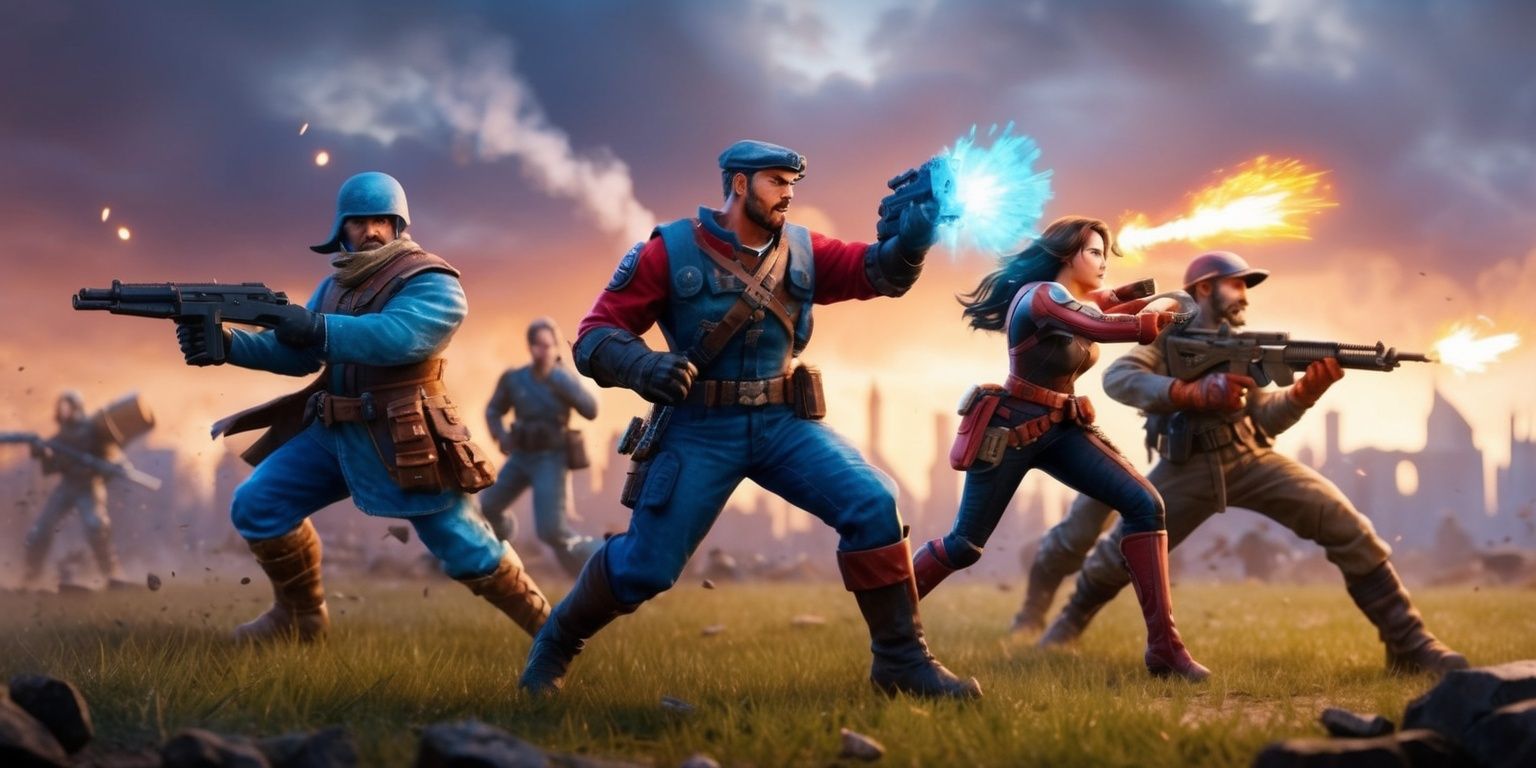
Insights provided by a former concept artist suggest that this enthusiasm almost culminated in a fighting game where iconic characters would be reimagined as collectible figures. The creative idea was to transform familiar characters into miniature action representations, similar in spirit to well-known animated toys, and have them face off in competitive settings. The envisioned roster would have spanned characters from several beloved animated features, blending elements of nostalgia with intense competitive gameplay.
The artist also recounted that pitching any game project required comprehensive visual presentations, complete with large-scale art displays that allowed executives to fully grasp the envisioned experience. Although this meticulous approach impressed some stakeholders, the ambitious project did not progress past the early experimental stages. Instead, the creative team redirected their energy toward projects that were more closely aligned with the studio’s core properties, such as tie-ins related to films and television series.
- The initial project was inspired by a highly successful game that merged diverse fictional worlds.
- An innovative concept was developed featuring miniature representations of characters in dynamic combat.
- Detailed visual presentations were key in communicating the game’s envisioned play style.
- The project was ultimately paused in favor of more traditional ventures linked to cinematic and TV productions.