WALL-E Review



In the vast landscape of animated storytelling, WALL-E stands out as an endearing and thought-provoking masterpiece. Directed by Andrew Stanton, this film combines stunning visuals with a tender narrative that examines humanity’s relationship with the environment and the perils of overreliance on technology. As someone who has witnessed the evolution of cinema over several decades, I find WALL-E to be a singular work that captivates not merely with its technical brilliance, but also with its profound, socially reflective storyline.
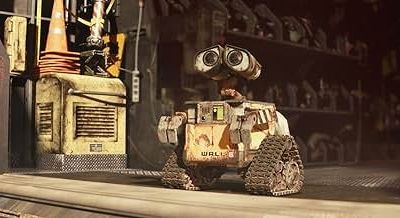
From the opening scenes, WALL-E’s world is crafted with a meticulous care that draws the viewer into a future that is both desolate and strikingly beautiful. The titular character, a small waste-collecting robot, roams an abandoned Earth laden with garbage, performing its programmed function with unwavering diligence. What might initially appear as a tale of routine and bleak monotony eventually transforms into a vibrant account of rediscovery and hope. In this context, the film is not just an animation; it is a comment on sustainability, consumerism, and the resilience of life in varied forms.
Exploration of Environmental and Technological Themes
WALL-E is more than an engaging character study; it is also a deep exploration of the environmental neglect that afflicts modern society. The film skillfully weaves its narrative around the implications of wasteful consumption and the resultant degradation of our planet. The vast, empty landscapes, combined with the poignant silence that often punctuates WALL-E’s solitary existence, evoke a sense of melancholy that stimulates introspection about our stewardship of Earth. This subject is particularly relevant in today’s context, as global audiences look to film narratives for reflections on current ecological challenges.
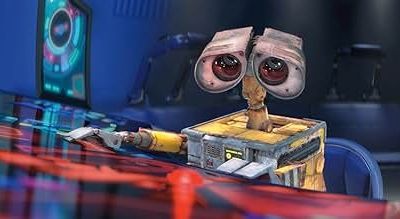
Moreover, the film’s portrayal of technology strikes a delicate balance between admiration and caution. WALL-E showcases technology not as an antagonist, but as an extension of human creativity and ingenuity. The robot’s quirky, almost human-like behavior resonates on a level that transcends the typical confines of animated films. In contrast, the human inhabitants of the spaceship Axiom have become passive entities, their lives dictated by screens and automated comforts. This juxtaposition serves as a nuanced caution regarding the overdependence on digital conveniences, highlighting the importance of retaining our capacity for critical thinking and emotional connection.
Artistic Brilliance and Narrative Charm
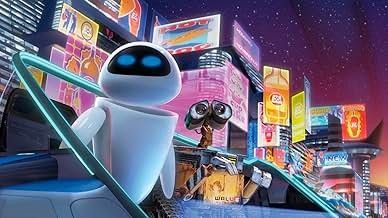
The aesthetic appeal of WALL-E cannot be overstated. Every frame is a carefully crafted piece of art, with the use of lighting and color mirroring the undertones of the storyline. The barren Earth is depicted with muted shades that evoke sadness and abandonment, while settings aboard the Axiom burst with vivid, almost blinding colors—a symbolic representation of a society overwhelmed by excess. The character design further amplifies the film’s charm; WALL-E, with his rusted exterior and expressive eyes, becomes a surprisingly relatable figure who communicates more through his actions than his limited verbal expressions.
This keen attention to detail extends to the auditory landscape of the film. The musical score, composed by Thomas Newman, is a gentle yet persistent reminder of the film’s central themes. It guides the viewer through moments of solitude, discovery, and eventual unity, effectively underlining the narrative arc and intensifying the emotional impact of key moments. The sparse yet powerful dialogue accentuates the use of visual storytelling, reinforcing the idea that silence, when juxtaposed with compelling visuals and sound, can speak volumes.
Impact on Contemporary Animated Cinema
WALL-E has set a precedent in the way animated films approach complex themes. It challenges the notion that animation is solely for children or light-hearted entertainment. Instead, it presents a layered, multifaceted story that encourages reflection among audiences of all ages. Its environmental message, intertwined with the debate on technological advancement, resonates on a global scale—making it not just a piece of entertainment, but a conversation starter on issues that affect society at large.
As a film enthusiast, it is invigorating to see a production that manages to balance visual spectacle with a thoughtful narrative. The subtle allegories woven throughout the film serve as a catalyst for discussion about modern society’s dependency on technology and the subsequent loss of genuine human interaction. The character-driven plot allows audiences to empathize with not only WALL-E but also the broader societal archetypes represented by his robotic companions and the hyper-controlled human citizens on the Axiom. This interplay between individuality and communal inertia provides a fertile ground for analysis, making the film a recurring subject of conversation in cinematic circles.
Relevance in Contemporary Discussions and Cultural Discourse
What makes WALL-E an enduring piece of art is its ability to remain relevant long after the credits roll. In an era where technological advancements continue to shape our daily lives, the film’s themes become increasingly pertinent. The portrayal of a world where humanity has retreated from genuine interaction and personal responsibility is a stark reminder of the potential pitfalls of unchecked modernization. This cautionary tale is layered with irony; while the technology that facilitates our current comforts has the power to connect us, it also risks alienating us from the fundamental aspects of our humanity.
Critically, WALL-E invites viewers to ponder the delicate interplay between environmental sustainability and technological progress. It underscores the urgency of maintaining balance in the way we use technology to solve our everyday problems. The film’s caution is not to advocate for a rejection of technology but rather to emphasize mindful, conscientious usage. As subtle as it is impactful, WALL-E encourages introspection about whether our reliance on gadgets and automated systems is enhancing our lives or inadvertently stripping away our ability to connect with the world around us.
Personal Reflections on the Viewing Experience
My initial encounter with WALL-E was nothing short of transformative. I found myself immersed in a world that was at once alien and hauntingly familiar. The film’s narrative, though rooted in a fantastical premise, speaks directly to the modern psyche. Its allegorical depth encourages contemplation long after the theater lights have brightened. Every scene felt meticulously crafted to evoke emotional responses ranging from wistful sadness to quiet optimism.
The aesthetics alone are part of the film’s allure. The contrast between the desolation of Earth and the luxurious artificial environments aboard the spaceship is a visual commentary on the state of human ambition versus the reality of our actions. It’s a reminder that while technology can simulate comfort and ease, the natural world possesses an intrinsic value that no digitized experience can fully replace. WALL-E’s journey is a call to live authentically in the present, to reconnect with nature, and to rediscover the beauty of the simple moments we often overlook.
Further enhancing the movie’s impact is its ability to blend humor with gravitas. The light-hearted interactions between WALL-E and Eva—the elegant probe sent to Earth—offer a reprieve from the film’s more serious themes. These moments of levity provide a counterbalance to the weighty commentary underlying the narrative. The subtle humor, devoid of excessive embellishment, acts as a bridge that keeps the audience engaged without detracting from the overarching message about preservation and renewal.
WALL-E is not merely an animated film but an invitation to reevaluate the trajectory of modern society with honesty and humility. Its narrative encourages viewers to question whether our pursuit of progress has rendered us inattentive on matters of intrinsic human connection and environmental responsibility. It asks us to consider the cost of convenience and challenges us to strive for a harmonious balance between technological advancement and ecological fidelity.
Technical Mastery and Unparalleled Storytelling
The visual mastery exhibited in WALL-E is a testament to the dedication of its creative team. The animation transcends aesthetics, delivering an experience that is both immersive and intellectually stimulating. The film integrates art, storytelling, and sound into a cohesive whole that celebrates the spirit of animated cinema. Every meticulously rendered scene is a tribute to the realm of imagination, inviting audiences to observe the beauty in decay, the poetry in silence, and the grace in the smallest acts of kindness.
Additionally, the cinematography plays a crucial role in setting the film’s tone. The expansive, desolate backgrounds contrast sharply with the minimalist, yet expressive design of the robot characters. The interplay of shadow and light subtly mirrors the contrast between hope and desolation, pushing the narrative beyond a mere story of survival. Instead, WALL-E paves the way for discussions about the future of human existence and the enduring quality of art as a medium to express complex ideas.
Through its layered narrative and intricate visual design, WALL-E has become a cornerstone in the annals of animated films. It is a work that challenges viewers to look beyond the surface and engage with its themes on multiple levels. Whether you are an ardent cinephile or a casual viewer, the film offers a rich tapestry of ideas and emotions that resonate deeply within the contemporary cultural discourse.
For those interested in experiencing WALL-E for themselves, the film is accessible to a global audience. Whether you choose to watch it on traditional streaming services or seek out niche platforms that offer the film unblocked and free from regional restrictions, its availability speaks to its universal appeal. Viewed through the lens of history and future implications, WALL-E remains a potent reminder of our responsibilities—to nature, to each other, and to the legacies we leave behind as a society.
How to watch WALL-E online
WALL-E is currently available to stream on several major platforms. You can watch it on Netflix which offers a streamlined trial system, and also provides a download option for offline viewing. On Amazon Prime Video, the film can be rented or purchased with the convenience of offline access after download. Apple TV supports both rental and purchase models, with high-quality streaming and download options. For those looking for a free option, Peacock offers a free available tier, though premium content requires a subscription and download may have certain conditions. Hulu hosts WALL-E as part of its streaming library, providing trial periods while noting some download limitations. Additionally, YouTube Movies offers the film via rent or buy, and a dedicated app facilitates download options for offline viewing. The movie carries an age rating of G, making it suitable for all audiences.
Pros
- Stunning visuals and intricate animation craftsmanship
- Profound thematic depth addressing environmental and technological issues
- Heartwarming character development with subtle humor
- Innovative storytelling that relies on visual narrative over dialogue
- Meticulous sound design and an emotionally evocative musical score
- Timeless message about human responsibility and sustainability
Cons
- Pacing may feel slow for viewers accustomed to rapid storytelling
- Minimal dialogue might leave some character motivations underexplained
- Heavy thematic content can come across as didactic to certain audiences
Screenshots