Pandemic Boom, Gaming Gloom: How Excess Investment Shaped Today's Industry Dynamics
May-06-2026
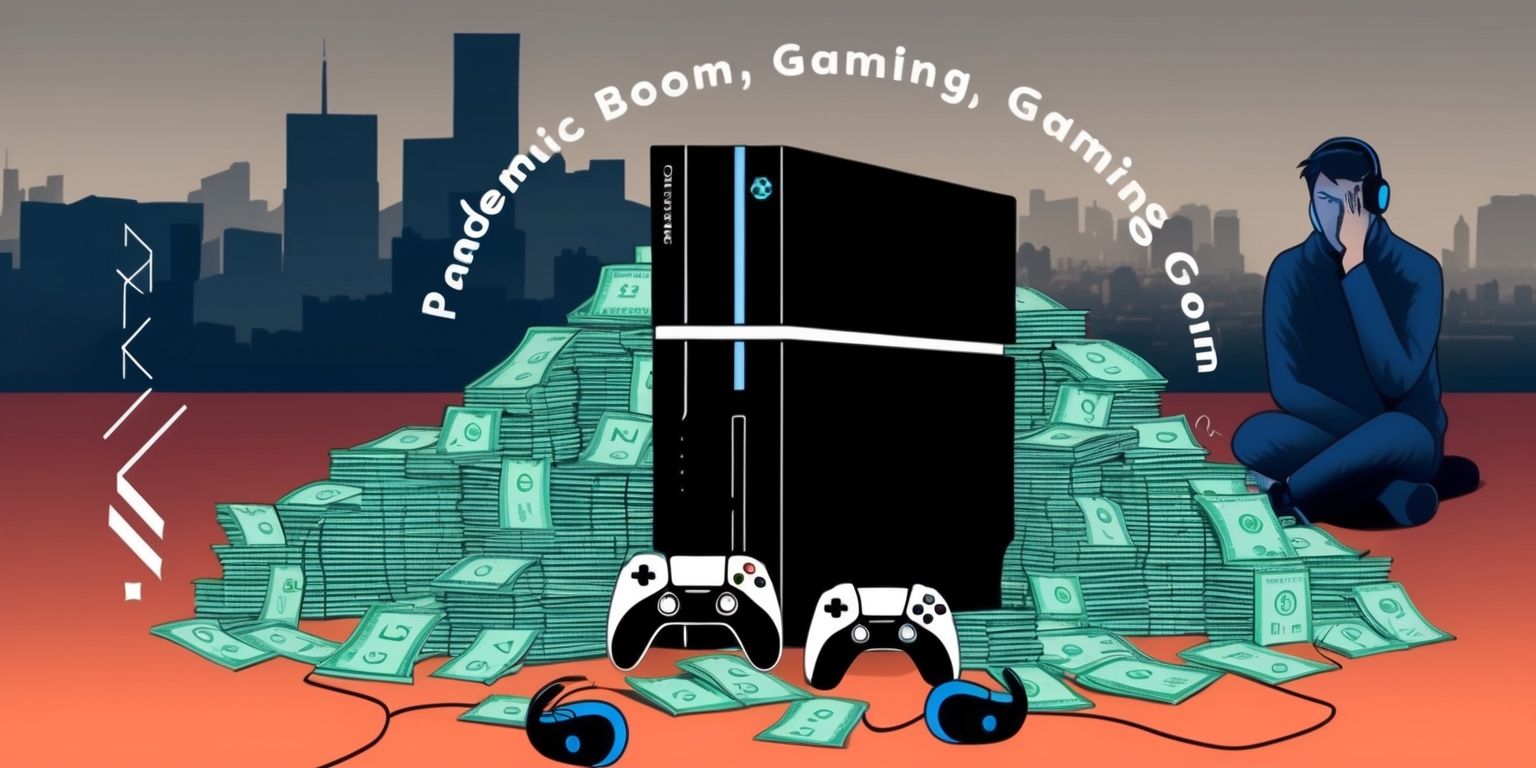
The current challenges facing the gaming world have sparked several theories. Some believe that automation might be replacing traditional roles, while others point to broader economic trends. Still, a notable perspective centers on the rapid influx of capital during the COVID-19 period, which many now view as having disrupted the industry’s balance.
A former PlayStation executive detailed his insights during an interview with a popular entertainment outlet. He explained that the unexpected closures, workforce reductions, and halted projects were not random but the outcome of companies overextending during a time of intense optimism. With extended home stays driving a surge in gameplay, investors flooded the market. This resulted in companies hiring beyond their actual needs and backing projects that, in a more balanced market, might not have been pursued.
Several economic analysts agree that the situation is multifaceted, yet a significant argument suggests that the seeds of the current plight were sown during the pandemic. The rapid expansion in the gaming sector created a false sense of security, leading to overspending and misallocation of resources.
Key points include:
- Overinvestment during COVID-19 created an unsustainable growth model.
- Companies expanded their workforce and project scopes beyond practical limits.
- The industry's rapid rise during lockdowns led to long-term repercussions now being felt.
The debate continues on whether these investment choices back then are the sole cause of today’s difficulties or just one part of a more complex economic picture. The conversation remains open among industry experts and economists alike.